


This blog post will go into detail about the different coats and eye colors of Siberian Huskies. I hope this blog will help you understand the Siberian Husky breed more.
COAT COLORS:
There are 8 main coat colors. These are the following:
However, 4 colors have subcategories. In total there are 15 colors. Wow! Most breeds tend to have less than 5 colors. In addition, Huskies can also have multiple face markings and different eye colors.
Agouti (Wild Color):
Agouti color was not common when I started breeding (2005). It became popular around 2016. Now, most breeders tend to have this color.
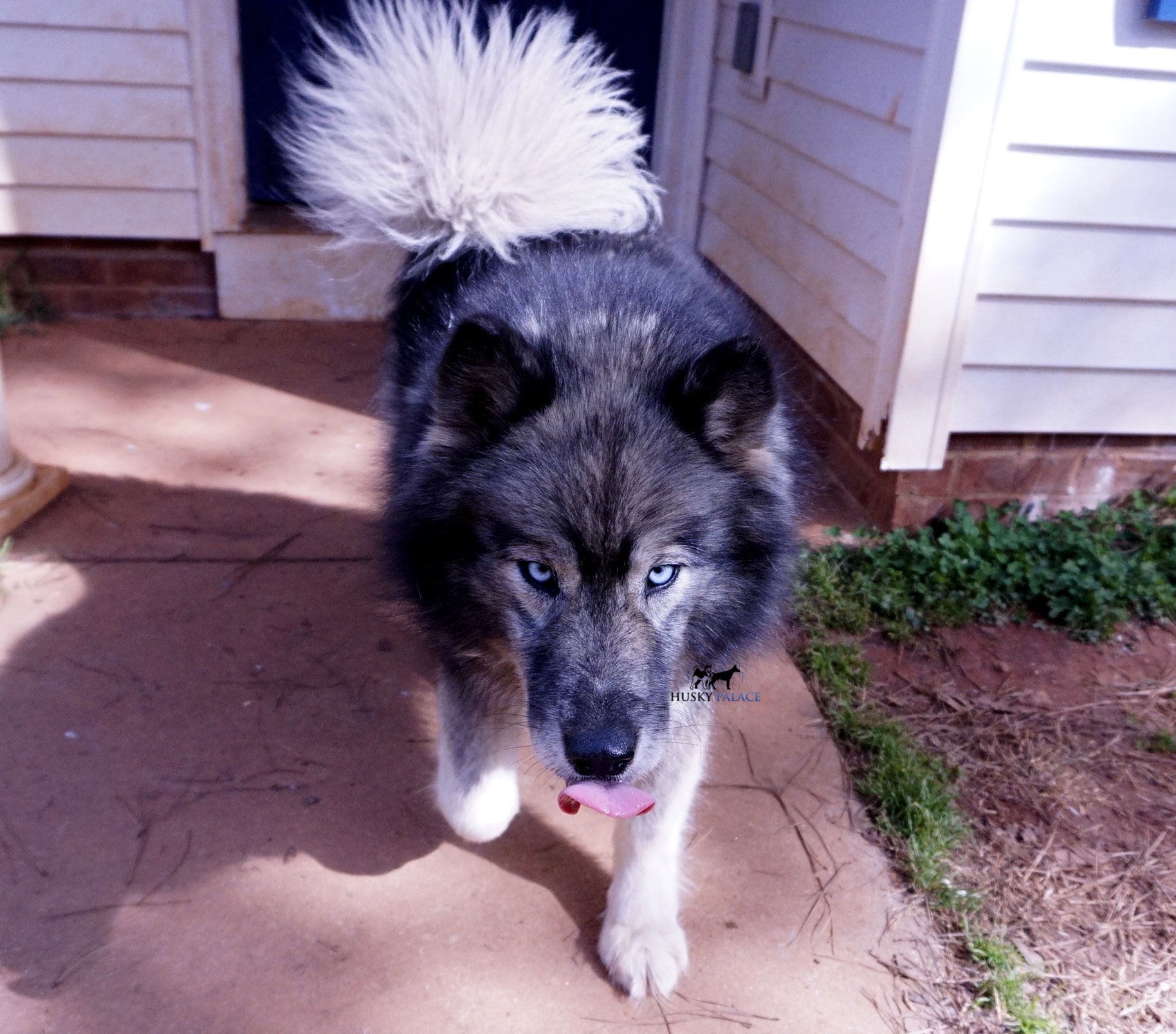
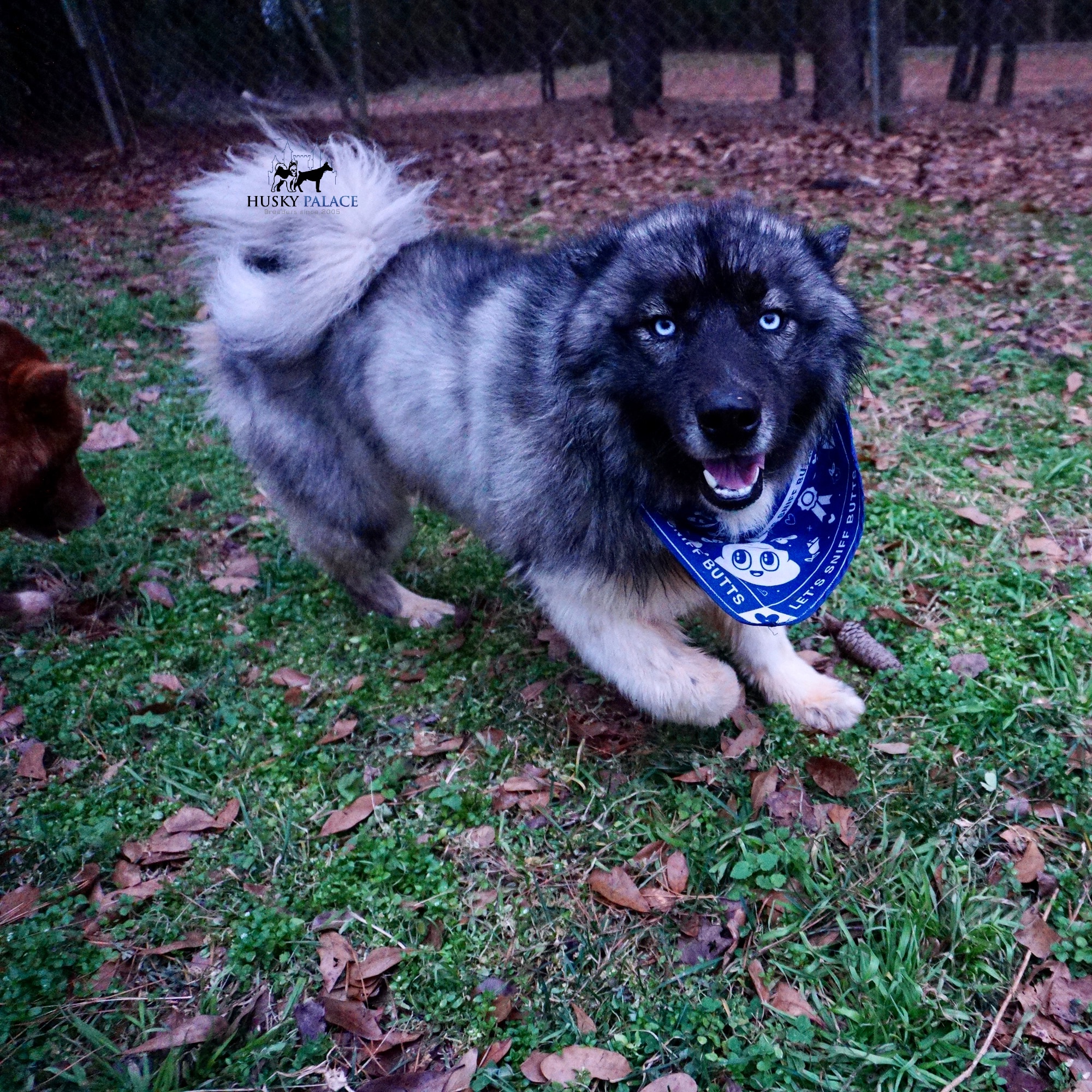
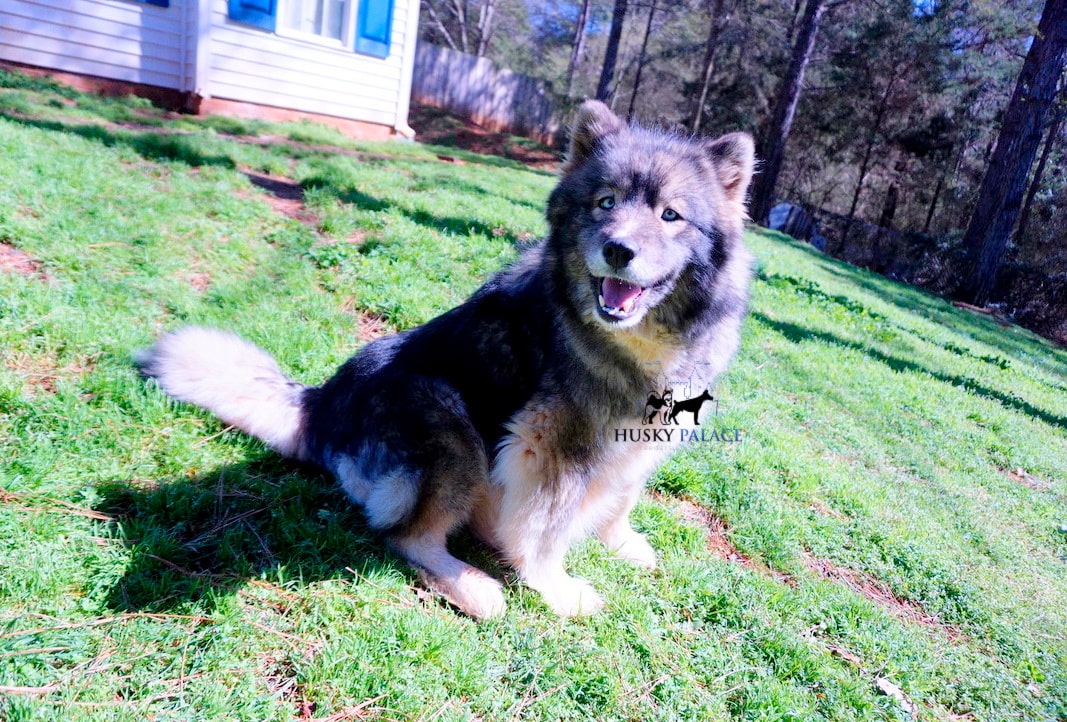
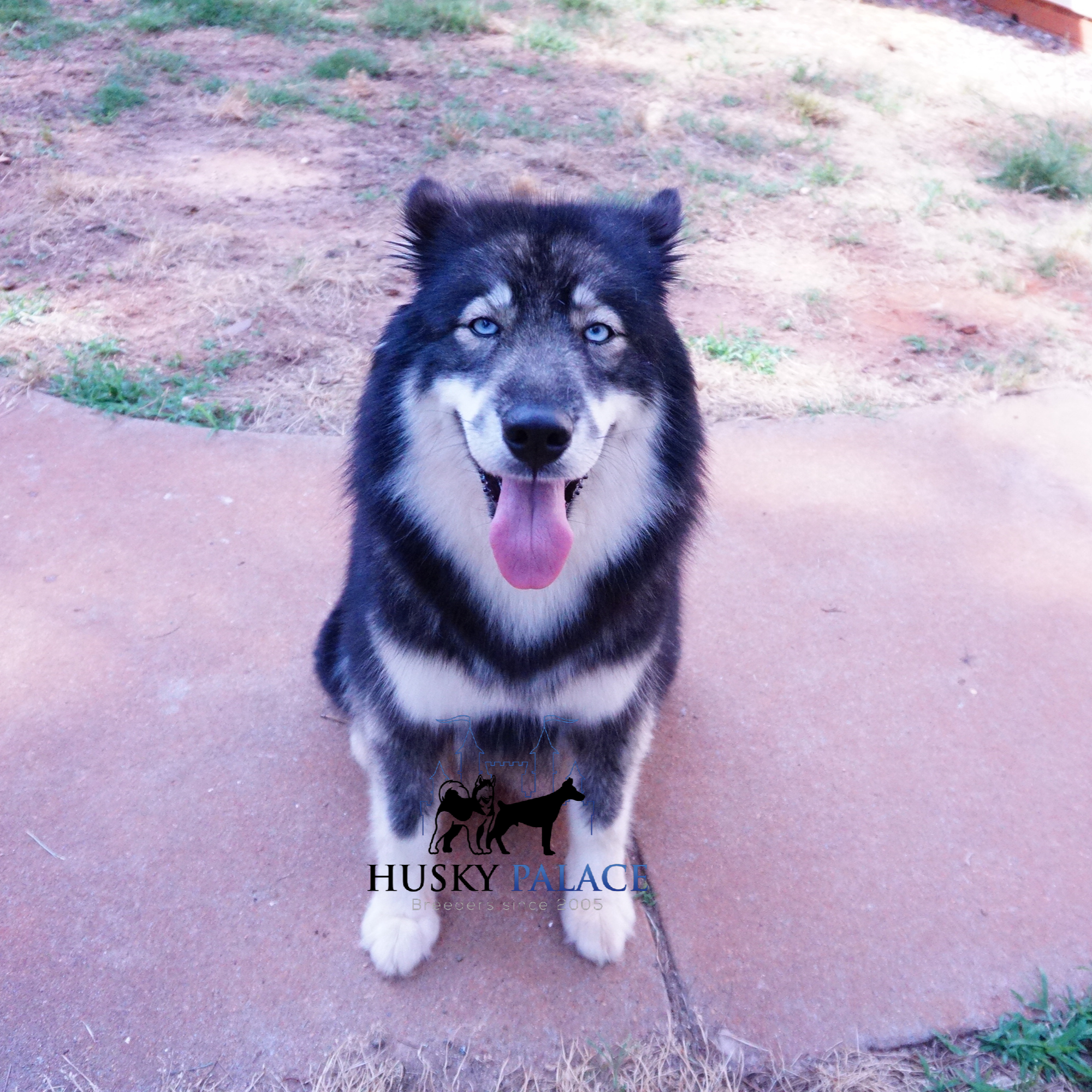
Agouti always has a banded coat. This means the coat has different colors (black, tan, white, and cream) of strands of fur that are mixed. Agouti Huskies typically look like a wolf. Therefore, if you want a wolf-looking Husky, agouti is the color I recommend. :)
Agouti tends to have a dirty face (lack of facial markings), a line in between their eyes, or eyebrows.
Below you will see examples of Agouti Huskies.
See the Frequently Asked Questions section below to learn how to determine a dirty face husky at a puppy age.

Name: Kemba
Agouti Siberian Husky with a dirty face.
Name: Eclipse
Agouti Siberian Husky with a dirty face.
Name: Naveen
Agouti Siberian Husky with a dirty face.
Name: Tequila Sunrise
Agouti Siberian Husky with a dirty face.
Name: Azula
Agouti Siberian Husky with facial marking.
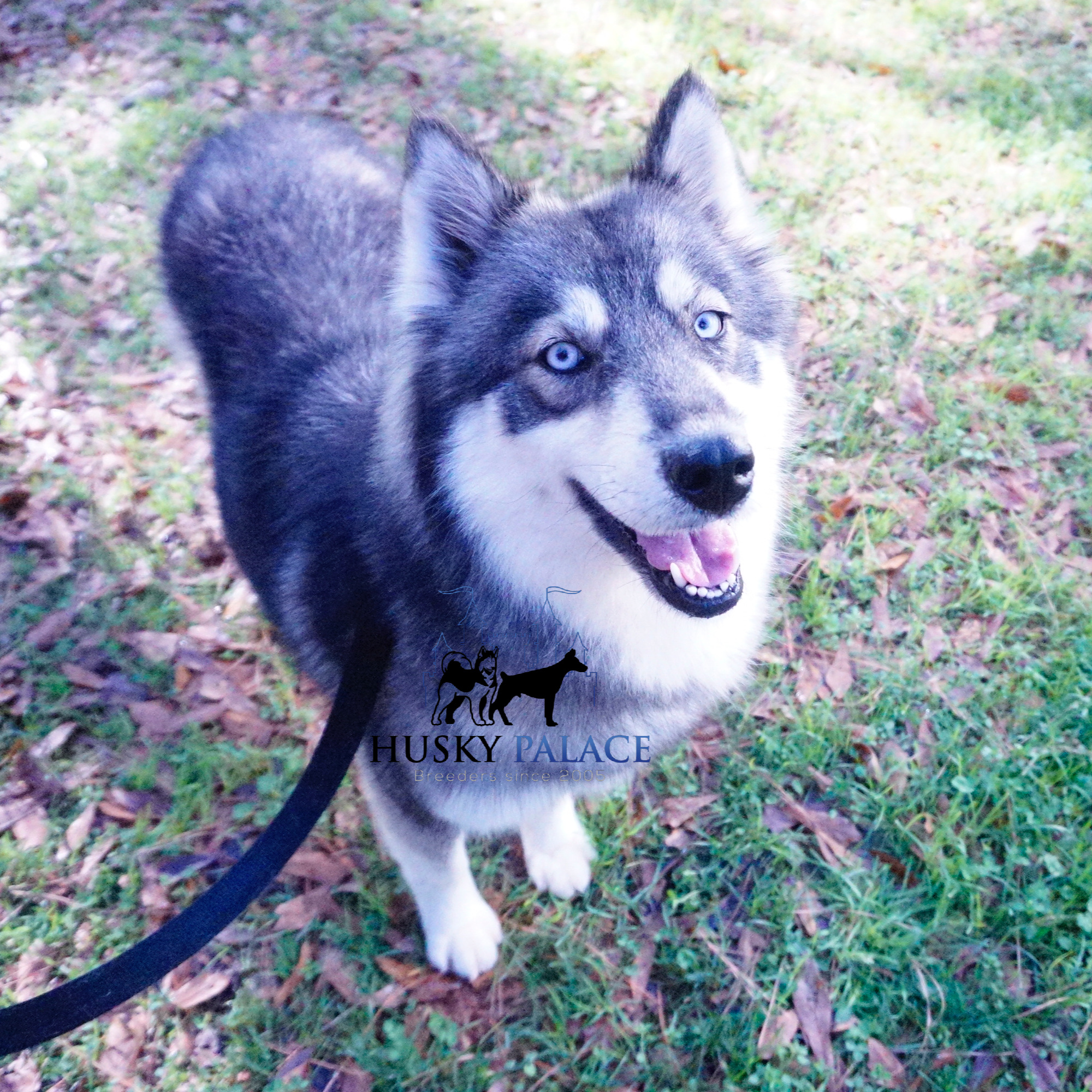
Name: Malibu
Agouti Siberian Husky with facial markings.
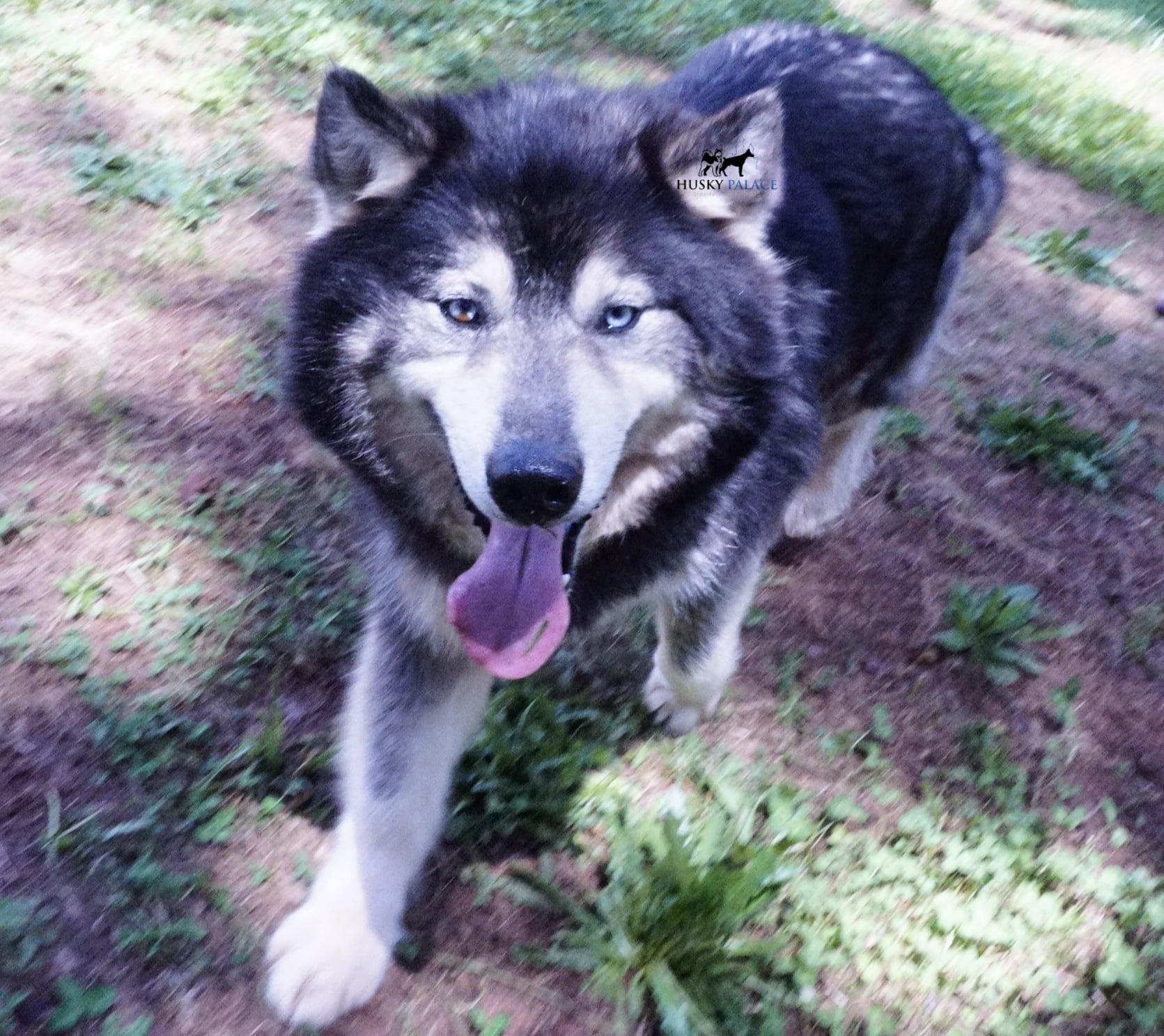
Name: Taz
Agouti Siberian Husky with facial markings.
Black (Solid Blacks):
Here at Husky Palace, we call the blacks, solid blacks. To prevent any confusion with black/whites.
Solid Blacks are another color that was not common when I started. This color became popular around 2019. As each year goes by, more breeders tend to have this color.
The fur is mostly jet black and some white. They will have little or no face markings. Some have white on their chest, legs, nose, and on their socks (paws).
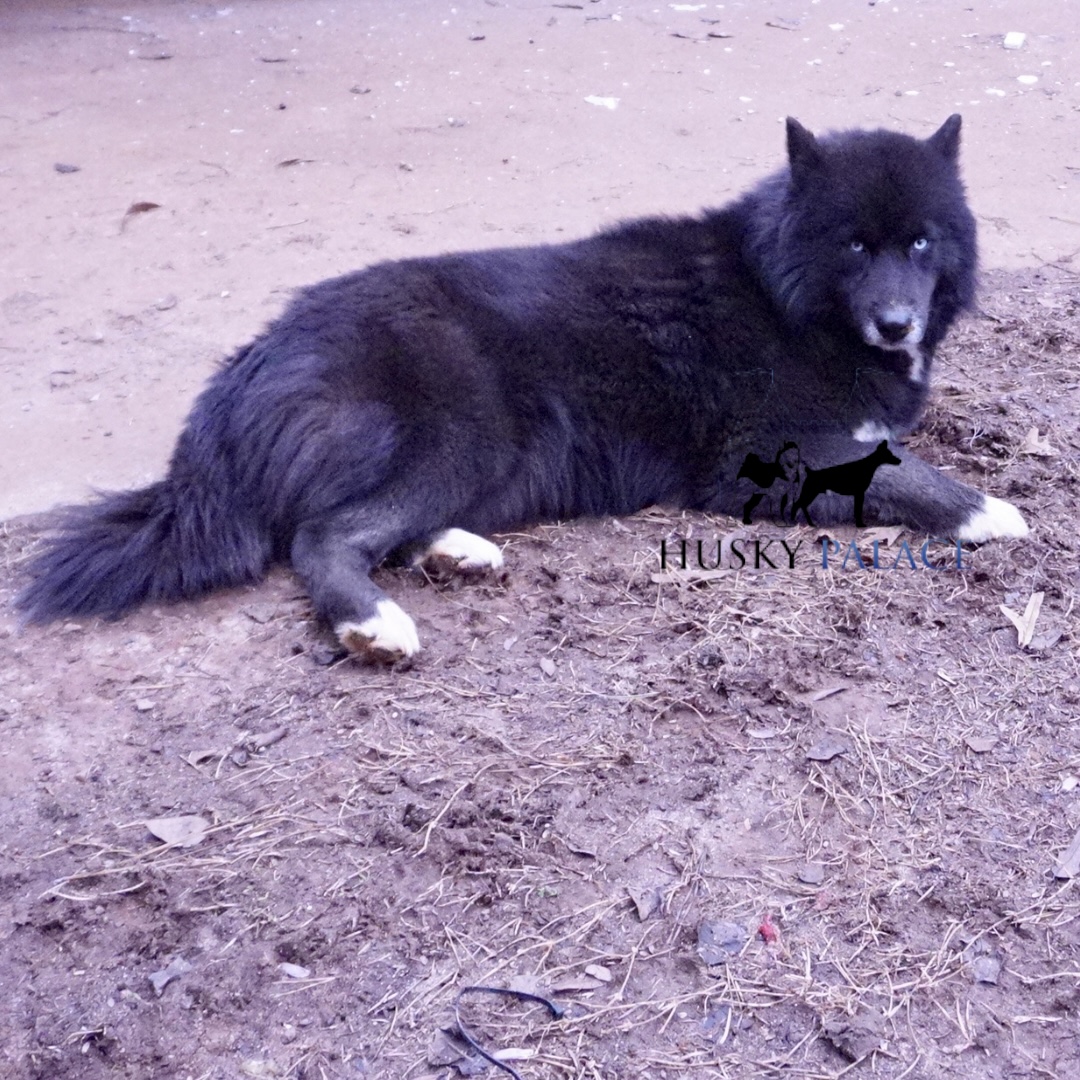
Name: Michaela
Solid Black Siberian Husky with minimal white on paws.
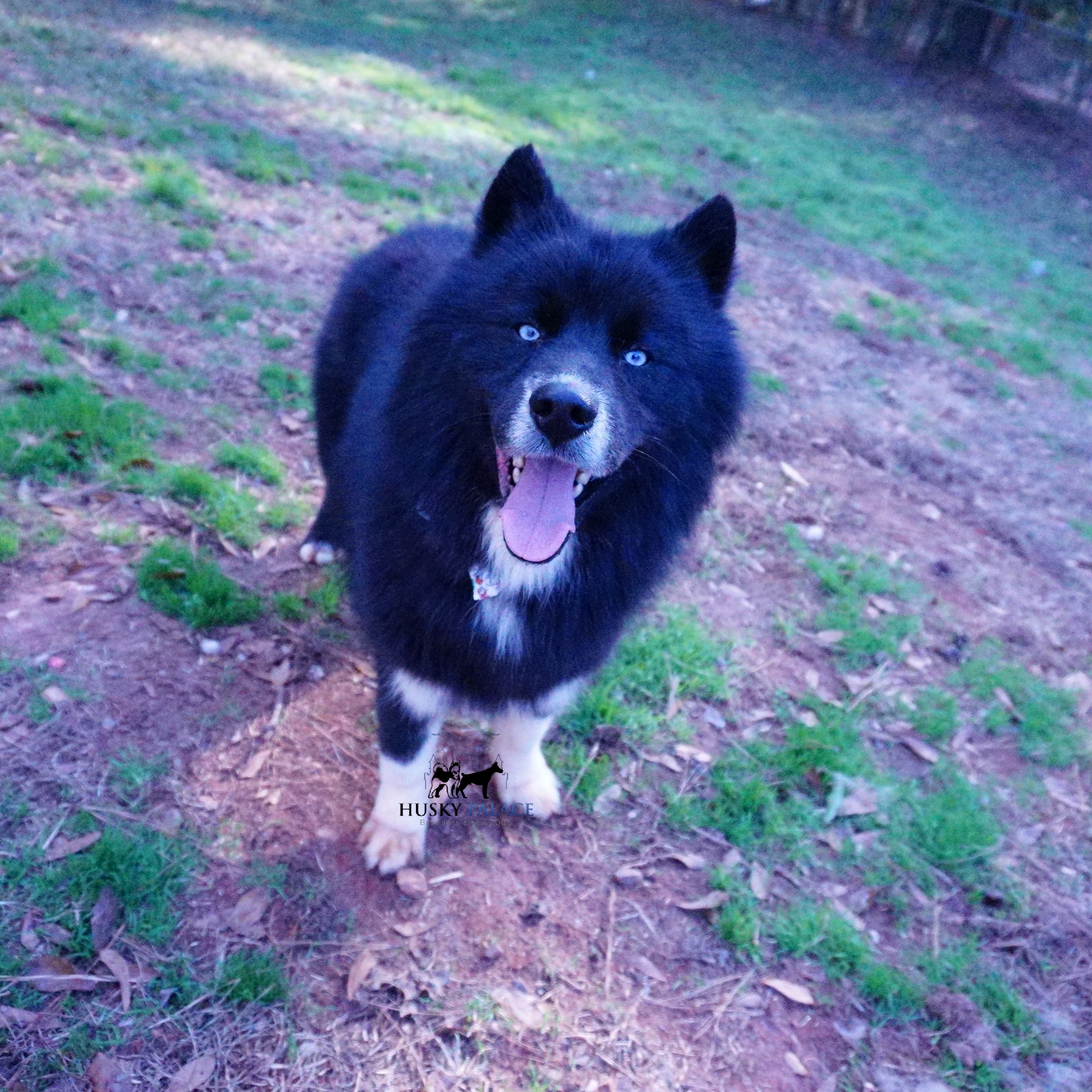
Name: T'Challa
Solid Black Siberian Husky with white on legs and chest.
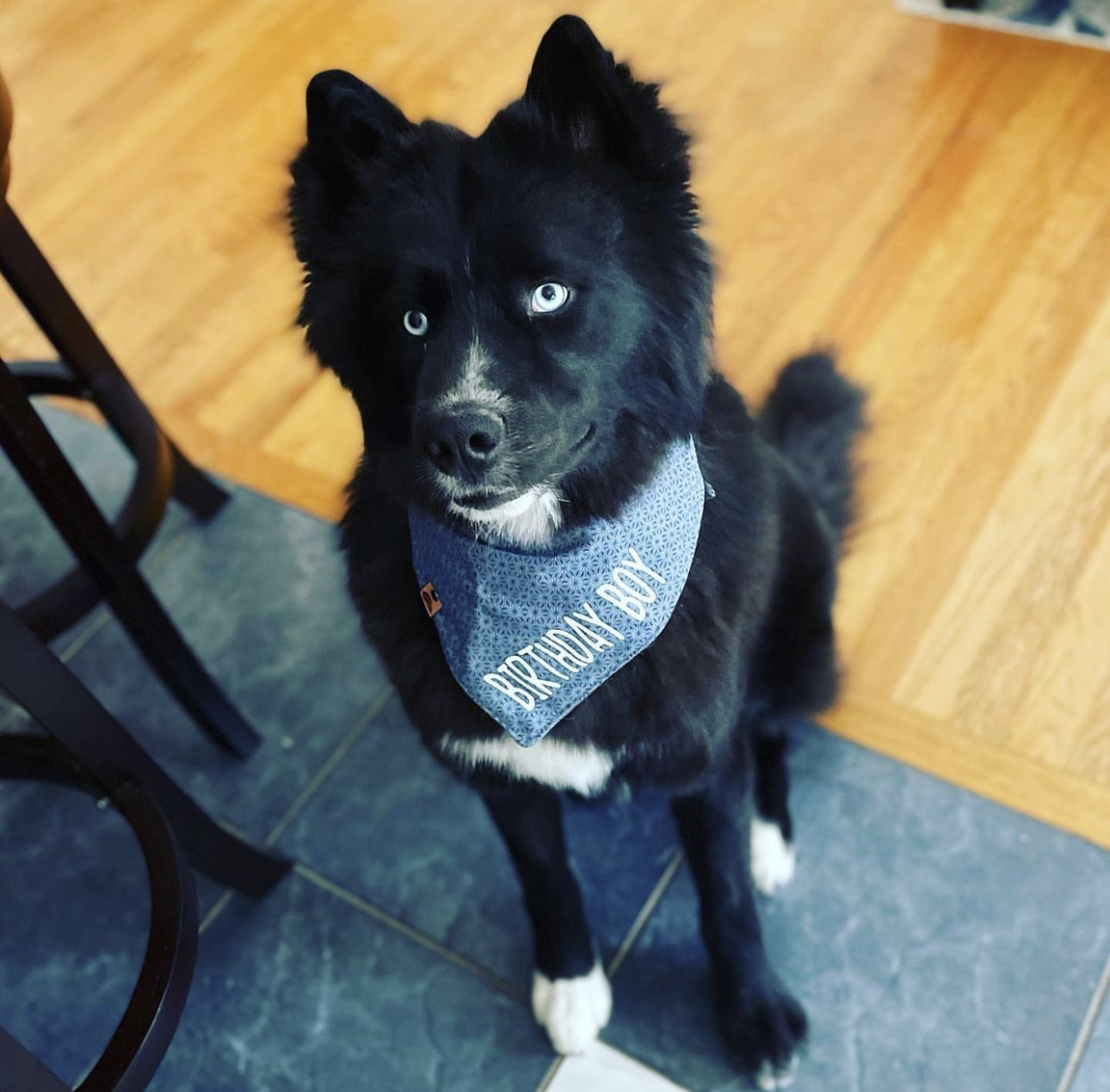
Name: Fenrir
Solid Black Siberian Husky with white on paw and chest.
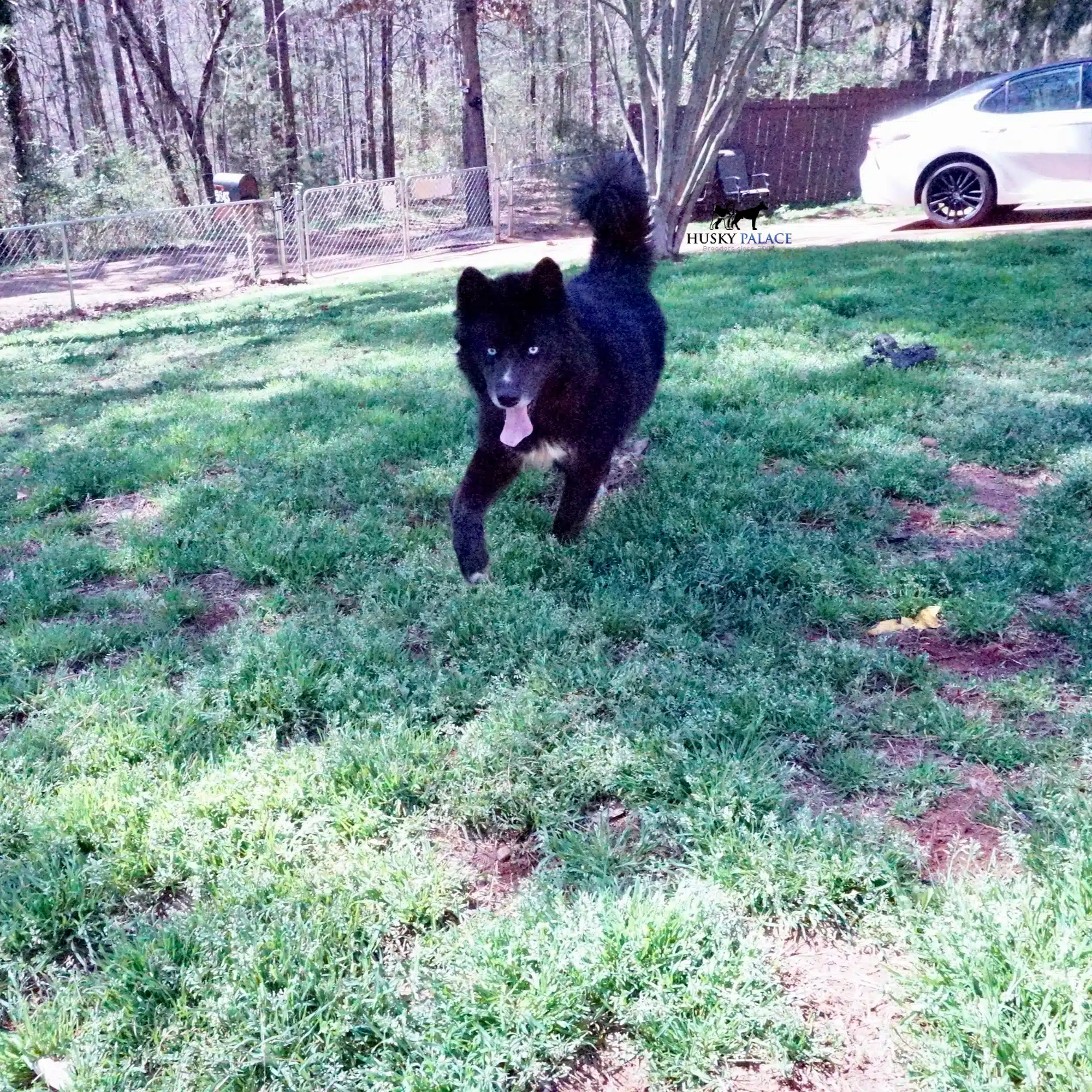
Name: Moana
Solid Black Siberian Husky with white on top of nose and chest.
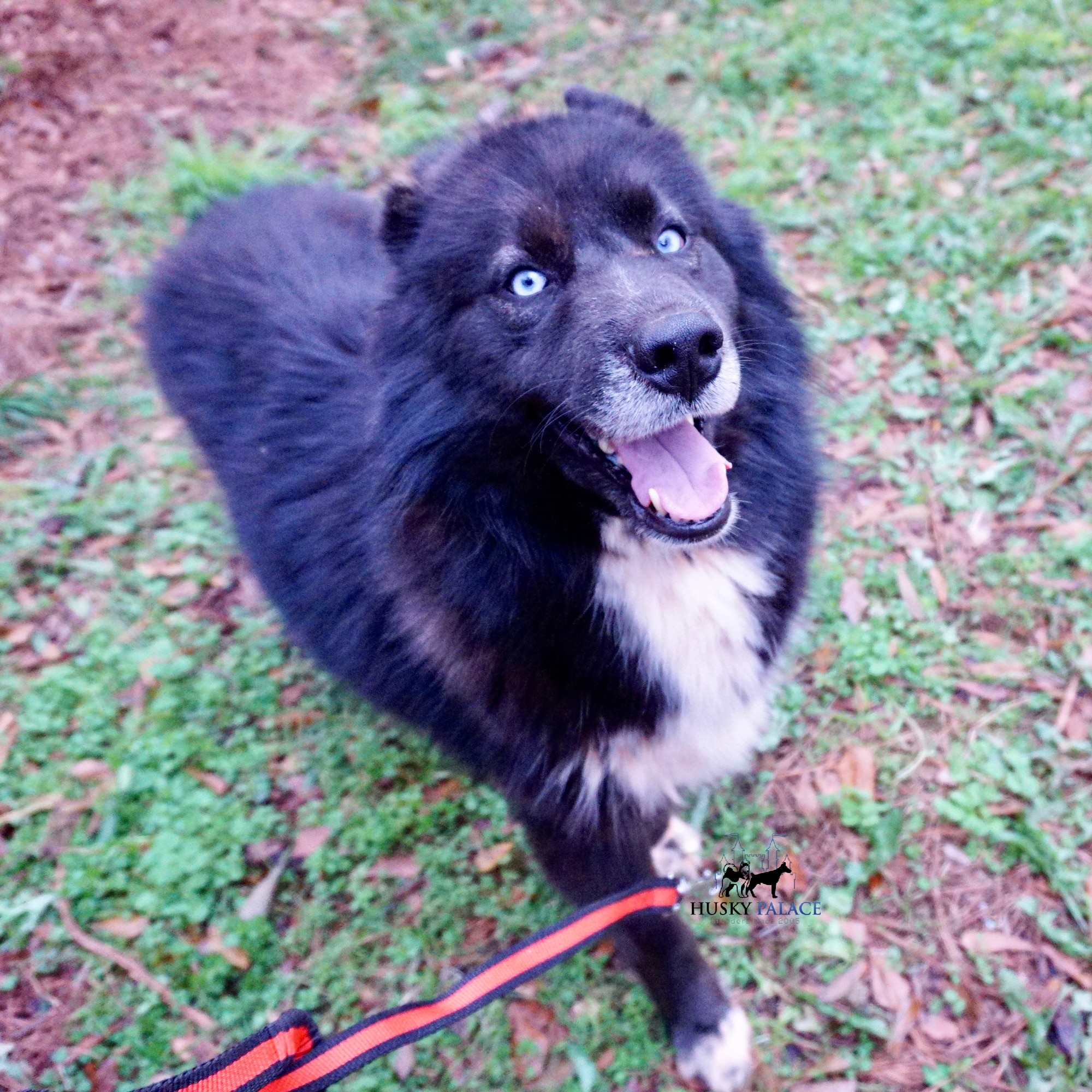
Name: Tiana
Solid Black Siberian Husky with white on top of nose and chest.
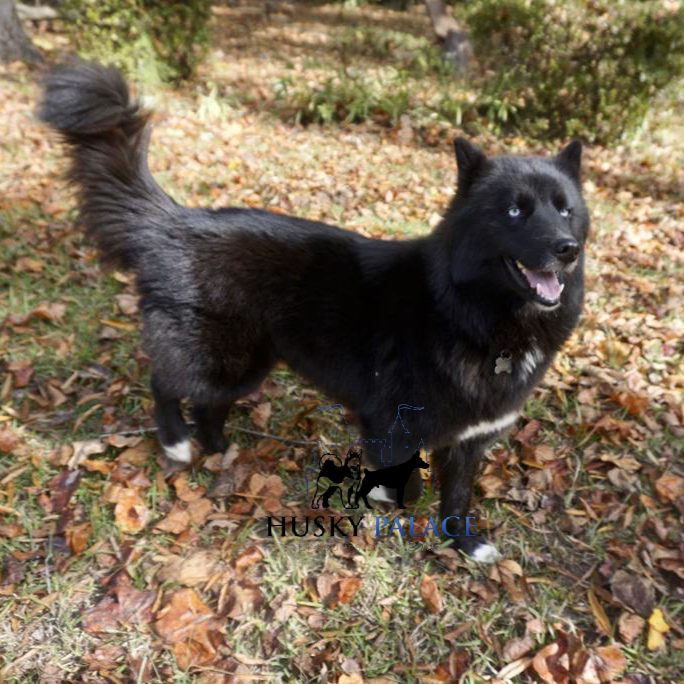
Name: Kiera
Solid Black Siberian Husky with white paws and chest.
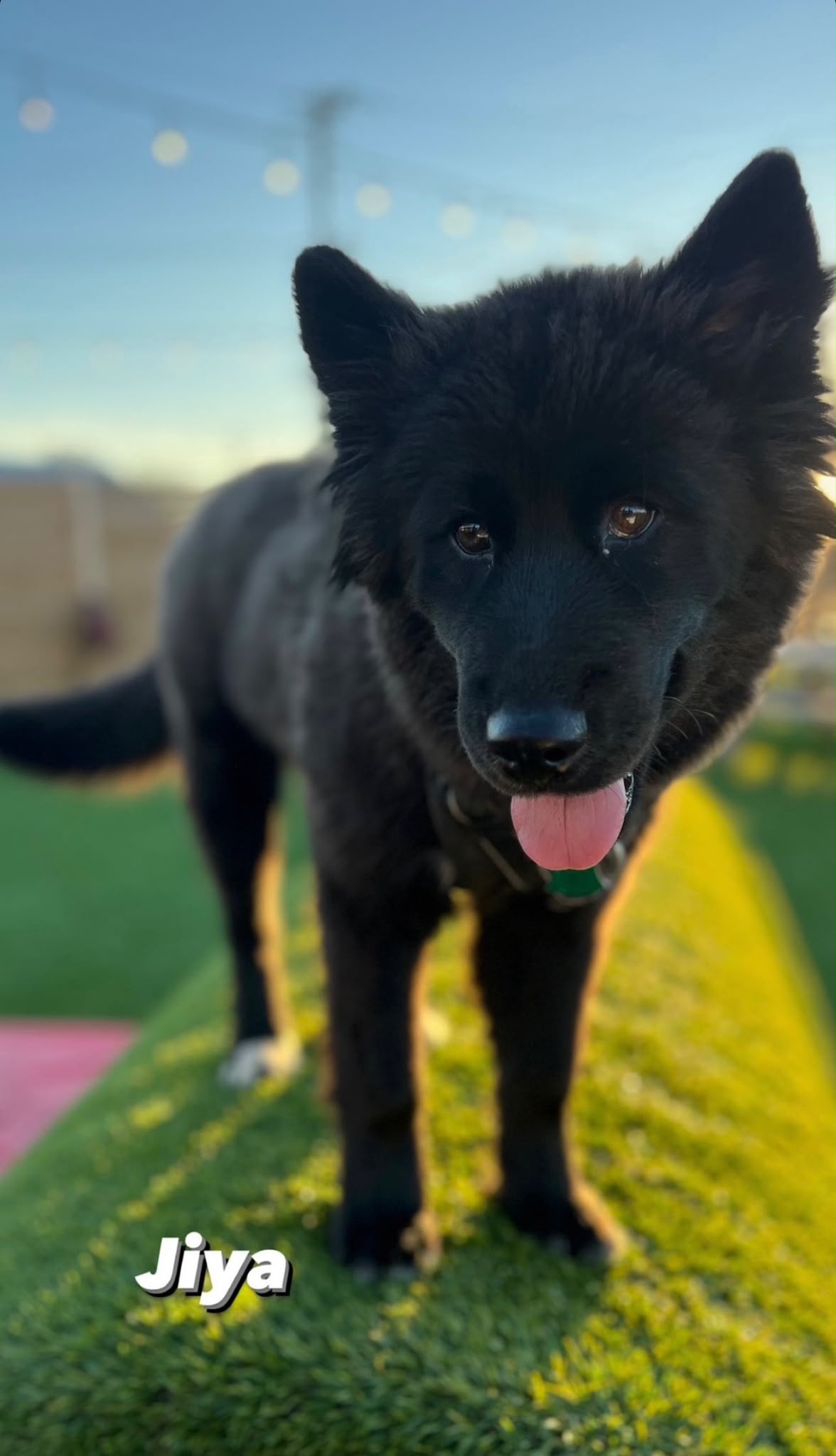
Name: Jiya
Solid Black Siberian Husky with white paws.
Black/whites:
This color is common. All Siberian Husky breeders will have black/whites. :) This color has subcategories. They are black/whites and black/white diluted/banded.
Black/whites:
These huskies have jet-black or normal black fur with See pics below for examples.
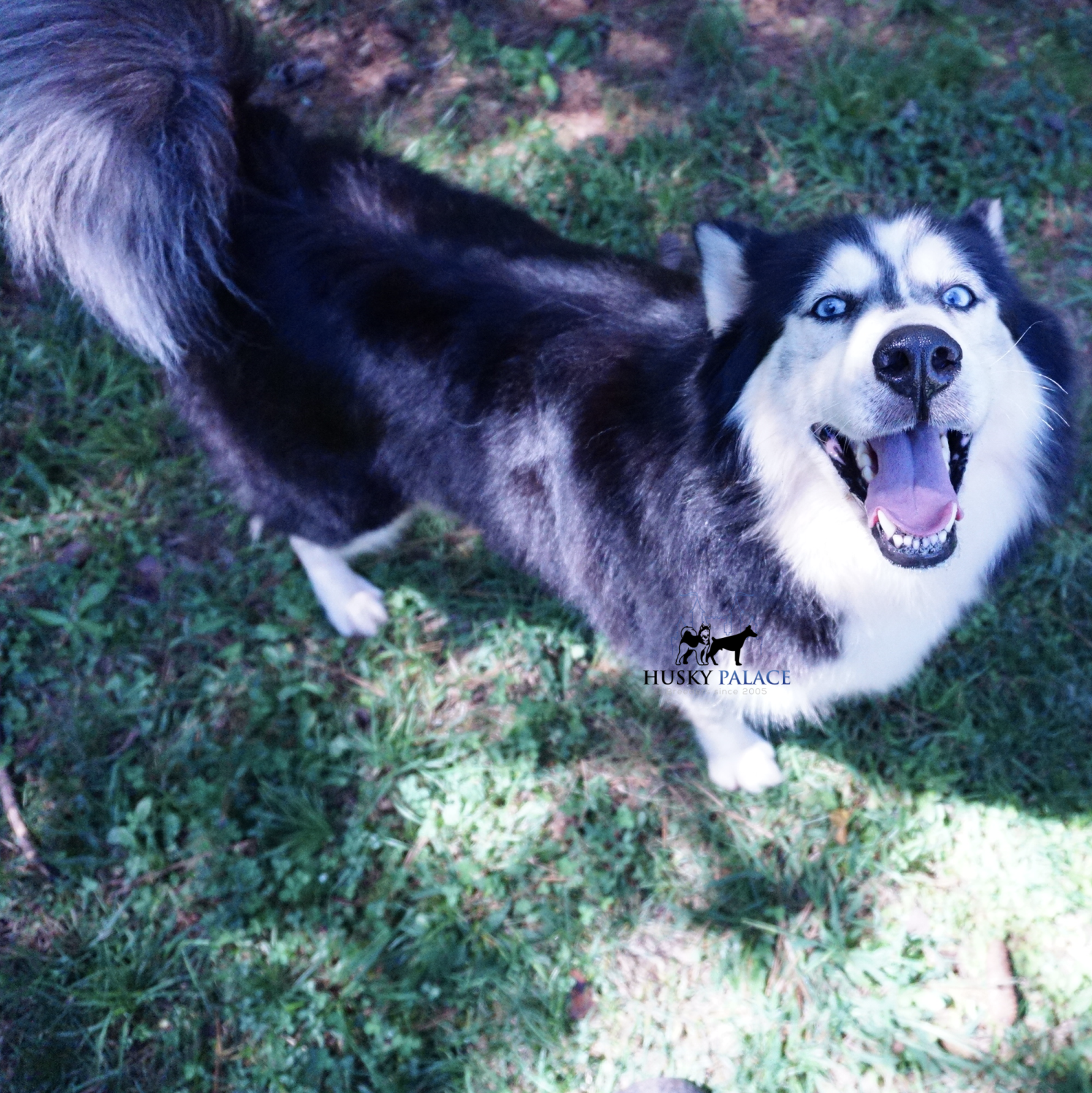
Name: Meeka
Black/white Siberian Husky.
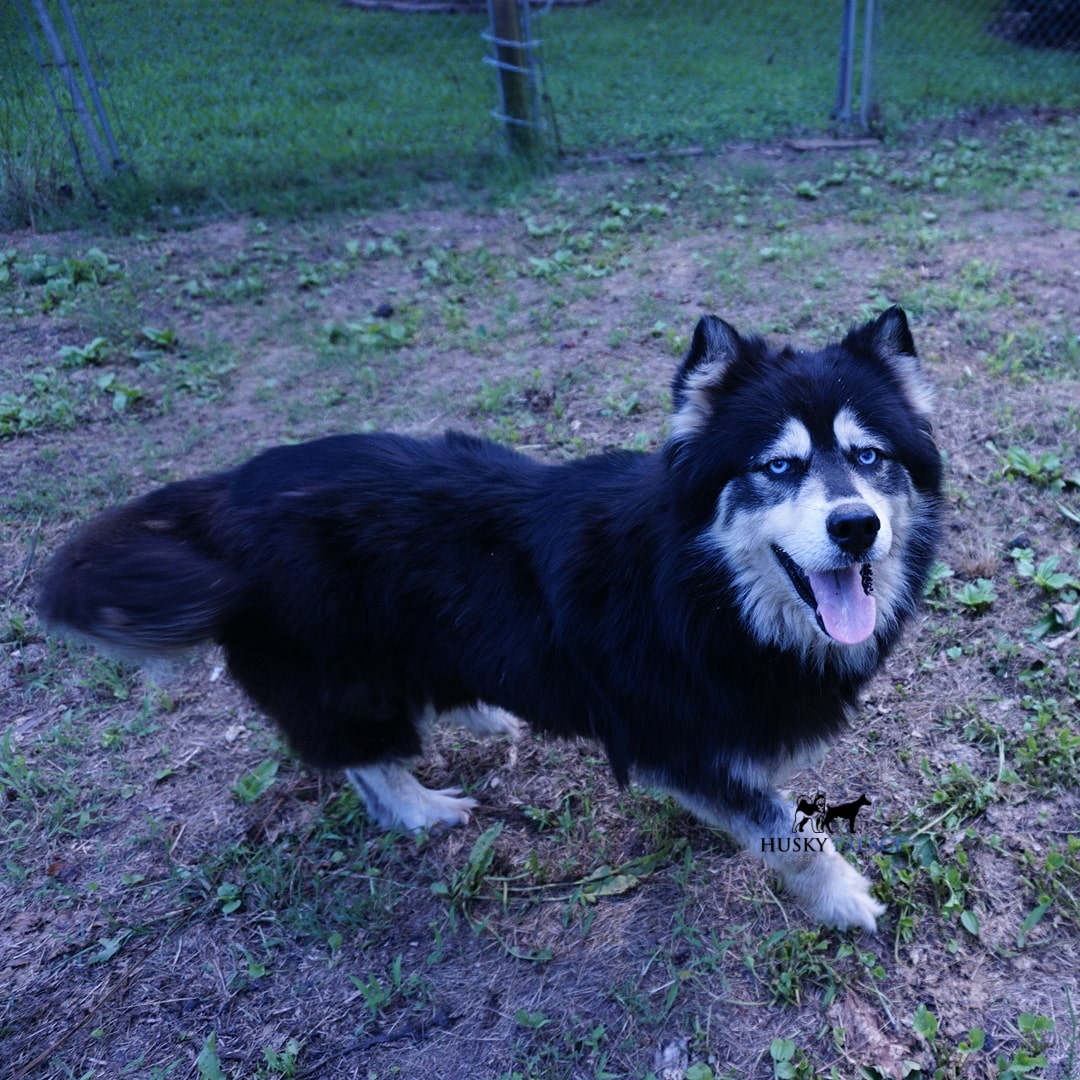
Name: Kona
Black/white Siberian Husky.
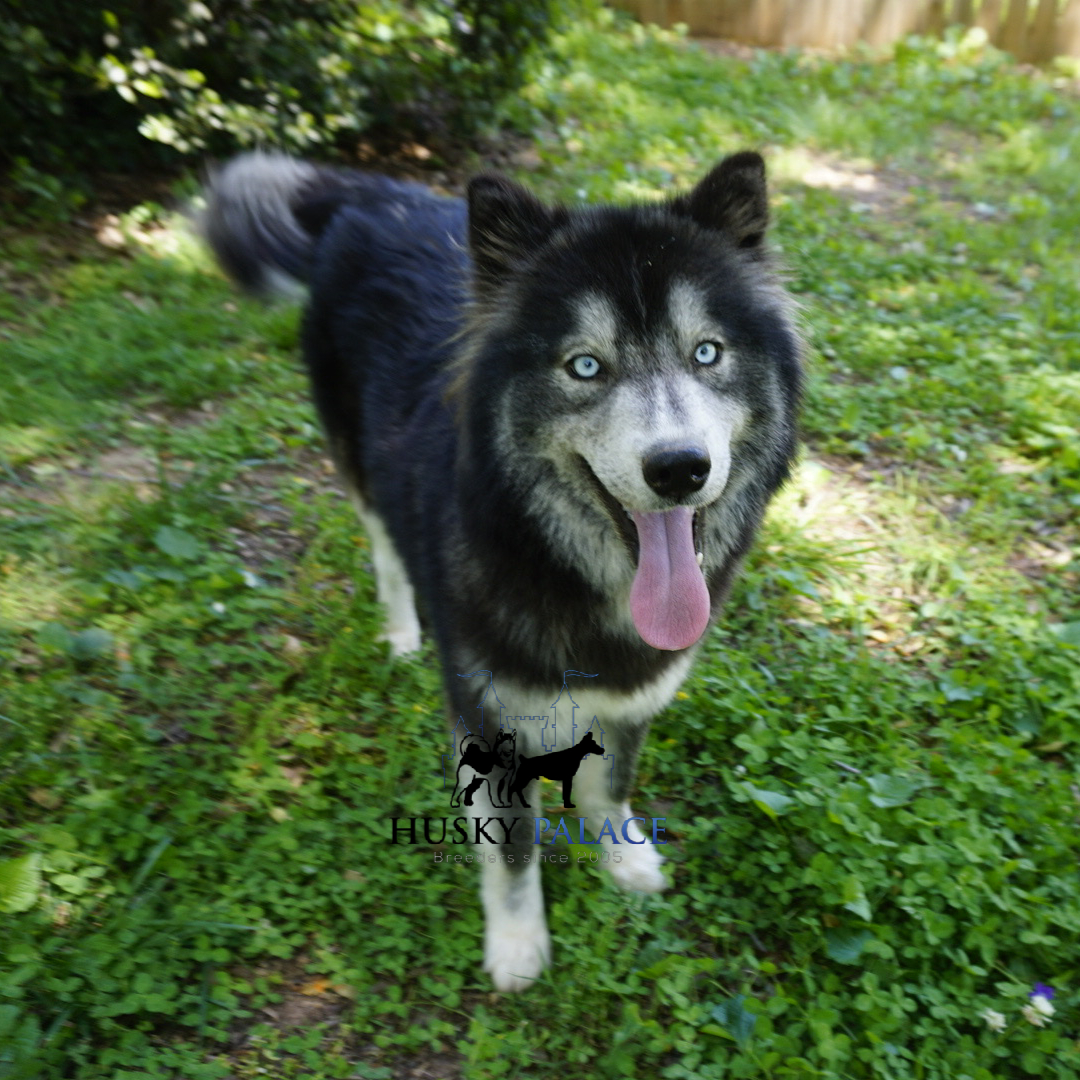
Name: Emma
Black/white Siberian Husky.
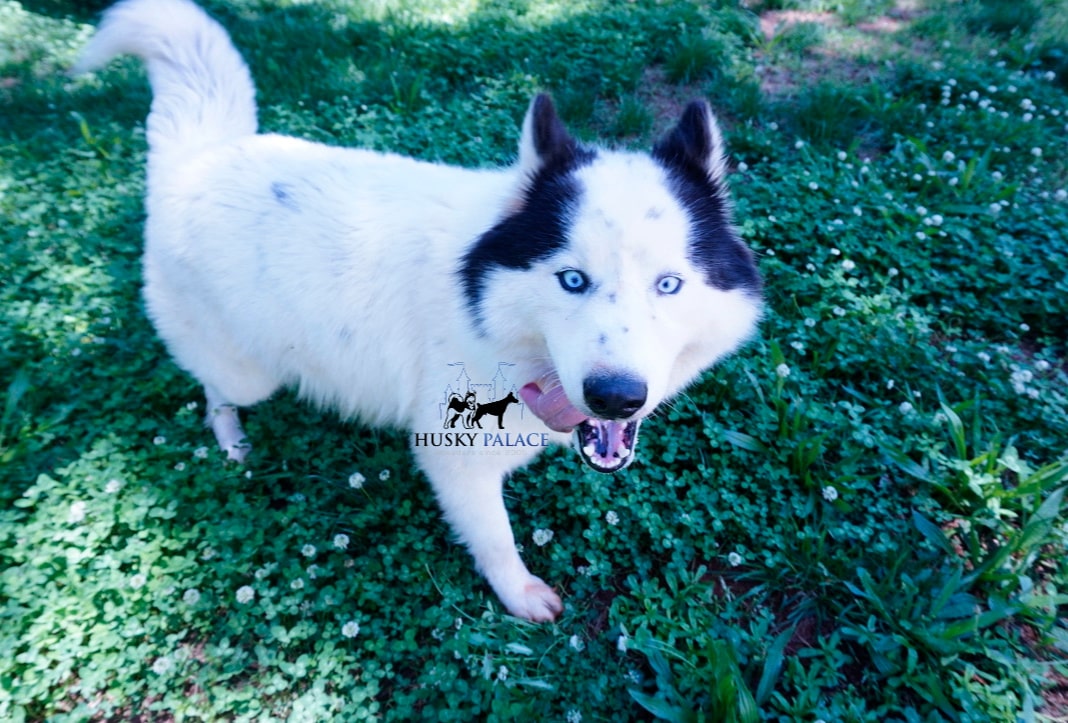
Name: Kenai
Black/white Piebald Siberian Husky.
Black/white Diluted:
These huskies will have black, gray, and white in their fur. When they are born you will be able to see some grey strikes here and there. As they get older they will get lighter (to the point they can look cream or gray). However, at 8 months to a year old, they will go back to the dark color they were born with. Some families will confuse this color with a gray/white or a light red/white puppy. Remember, they may look gray or tan now (puppy age). But will be much darker once they are grown. You can also tell if they will be black/white diluted if their spine and/or part of the tail has dark black fur.
These pups will go into the “raccoon face” (what Husky Palace calls this phase). As young as 12 weeks old to 16 weeks, they will have black circles around their face. Take many pics during this stage. Since this is only a one-time occurrence.
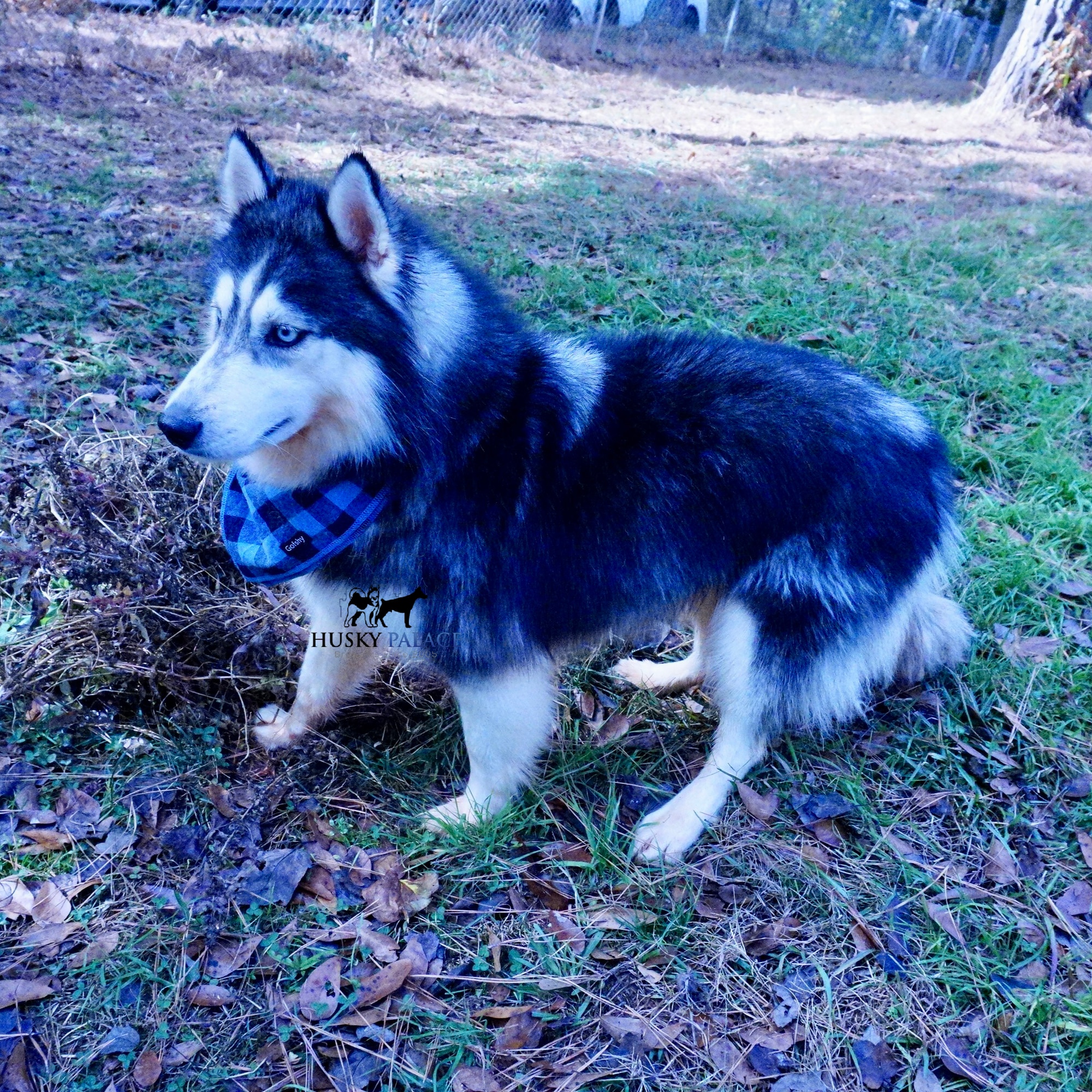
Name: Monica
Black/white diluted Siberian Husky.
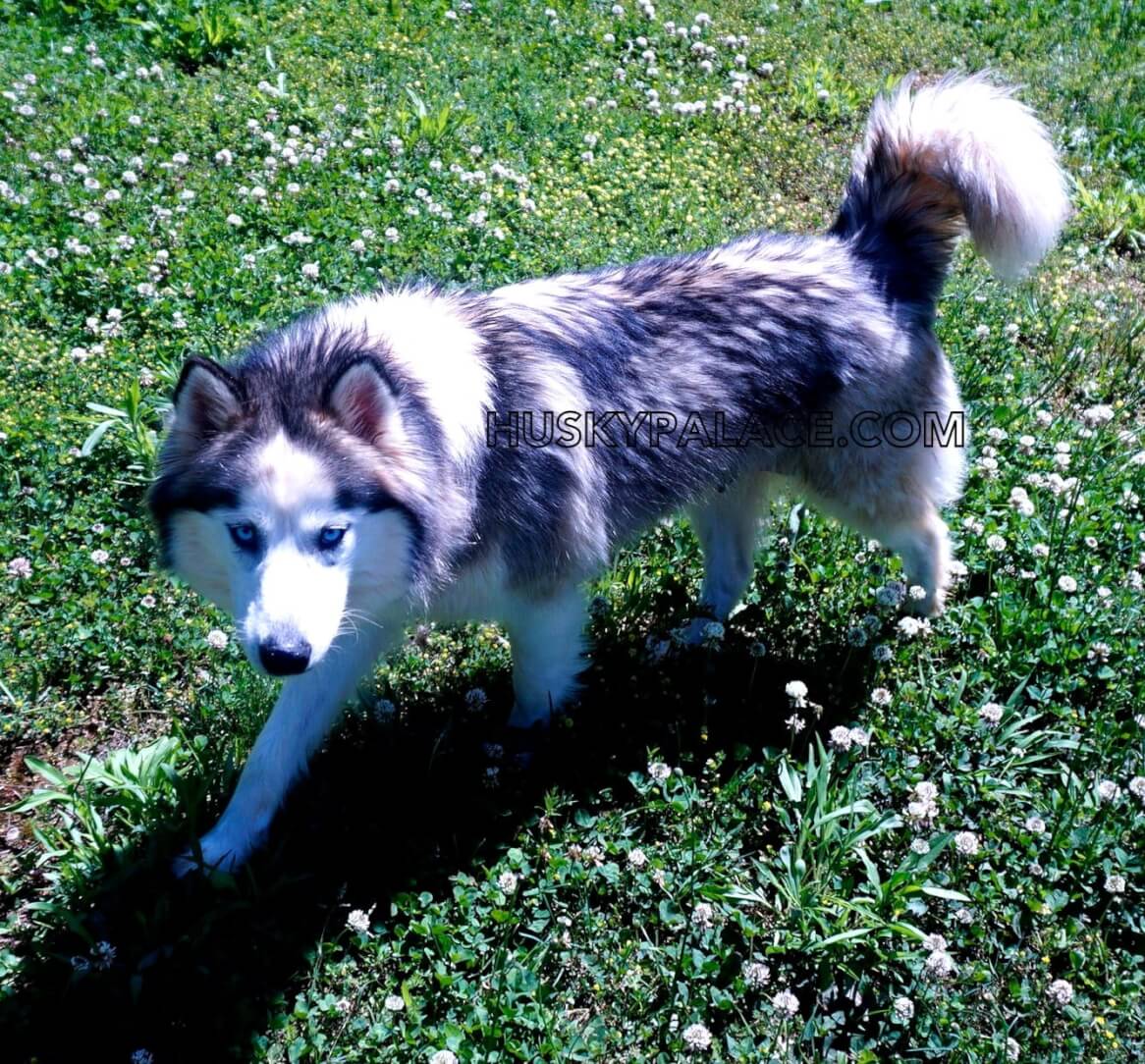
Name: Belle
Black/white diluted Siberian Husky.
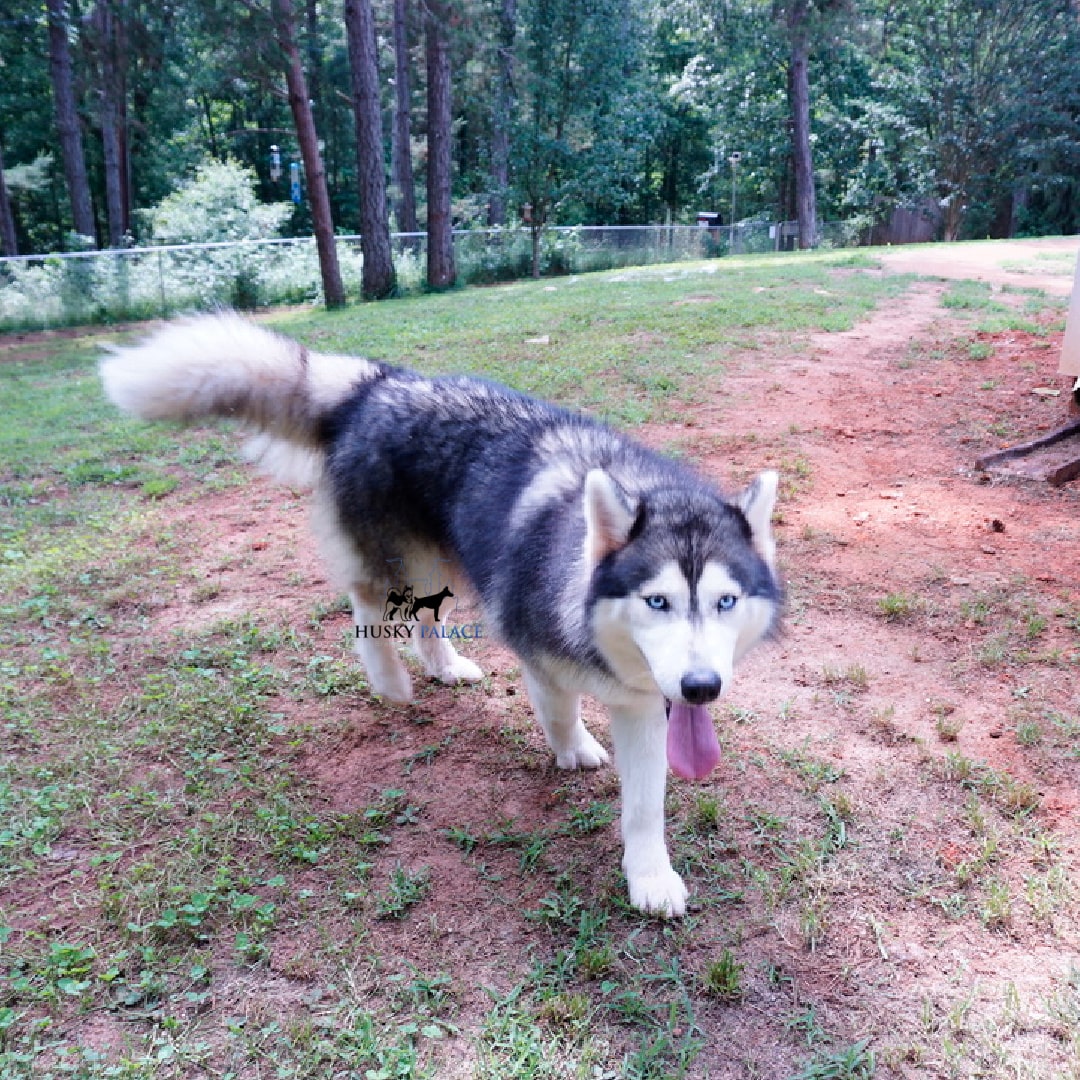
Name: Takanni
Black/white diluted Siberian Husky.
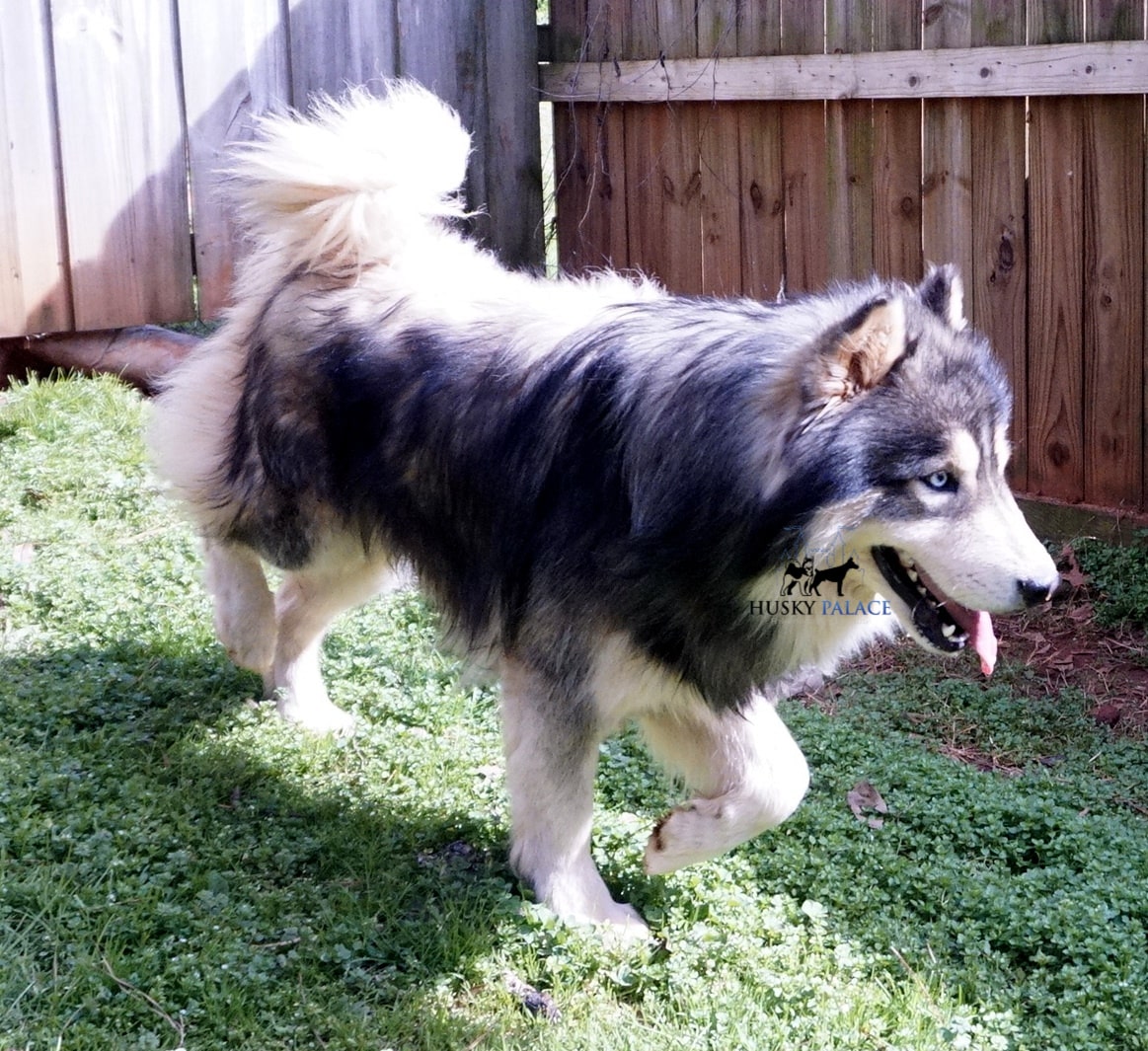
Name: Hudsen
Black/white diluted Siberian Husky.
Brown/white (Coppers or Chocolate Reds):
We use brown/whites and coppers interchangeably. :) We do not use chocolate reds to prevent confusion with the red/white color. However, some people and breeders do.
This color was common when I started. However, the solid brown was not. Solid browns became popular recently, around 2019. Each year that goes by, more breeders have this type of variation.
Brown/whites are a rich brown color.
Brown/whites:
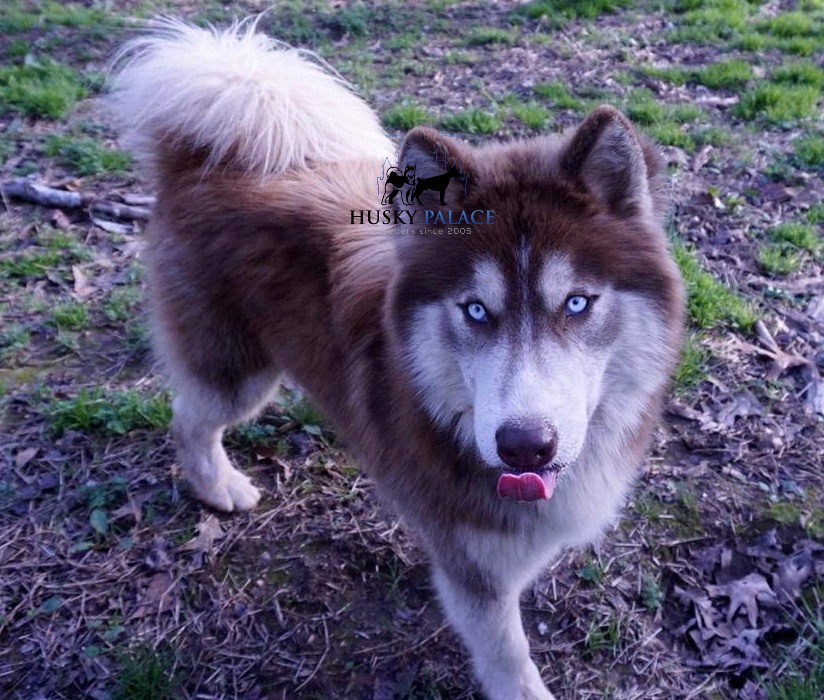
Name: Damon
Brown/white Siberian Husky.
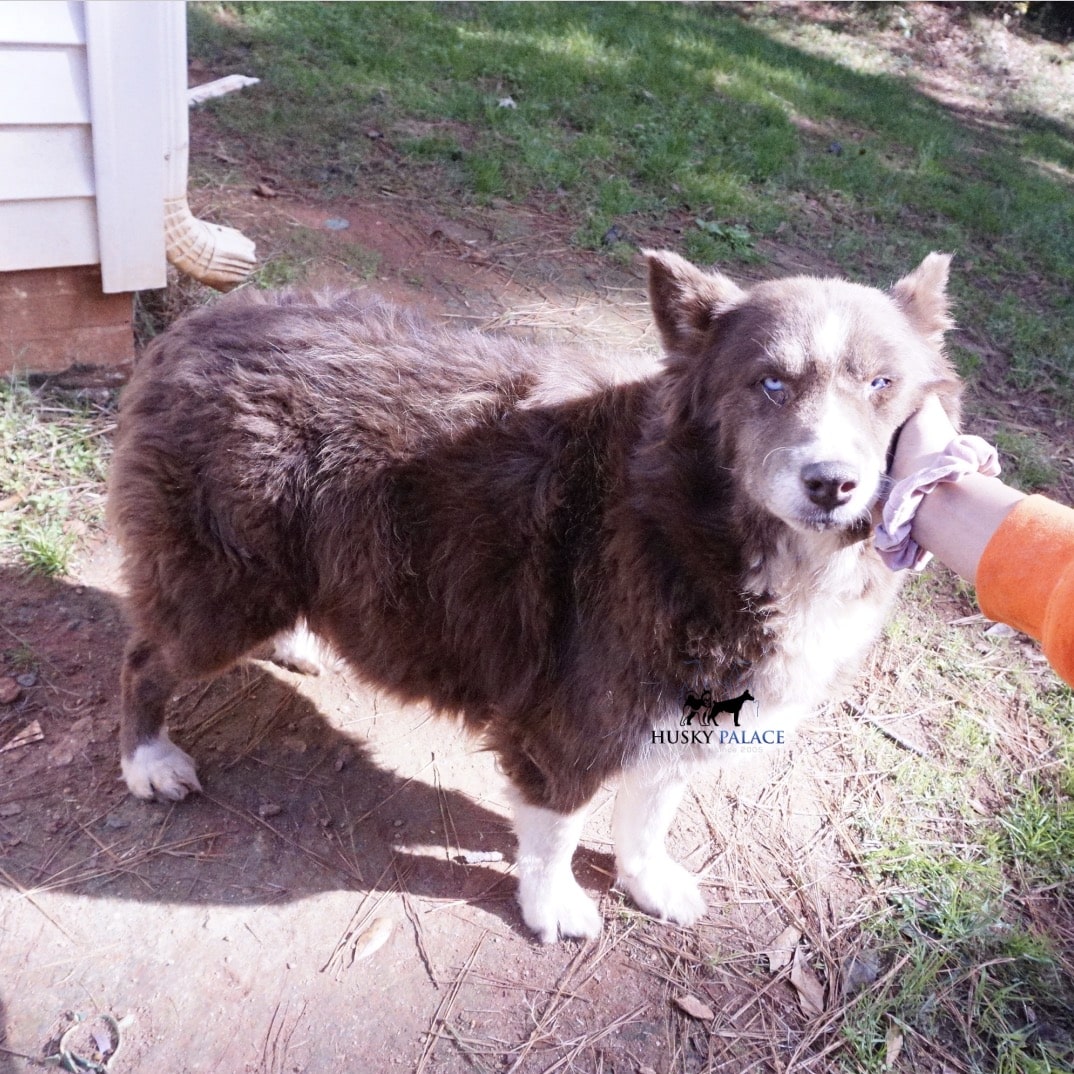
Name: Majha
Brown/white Siberian Husky.
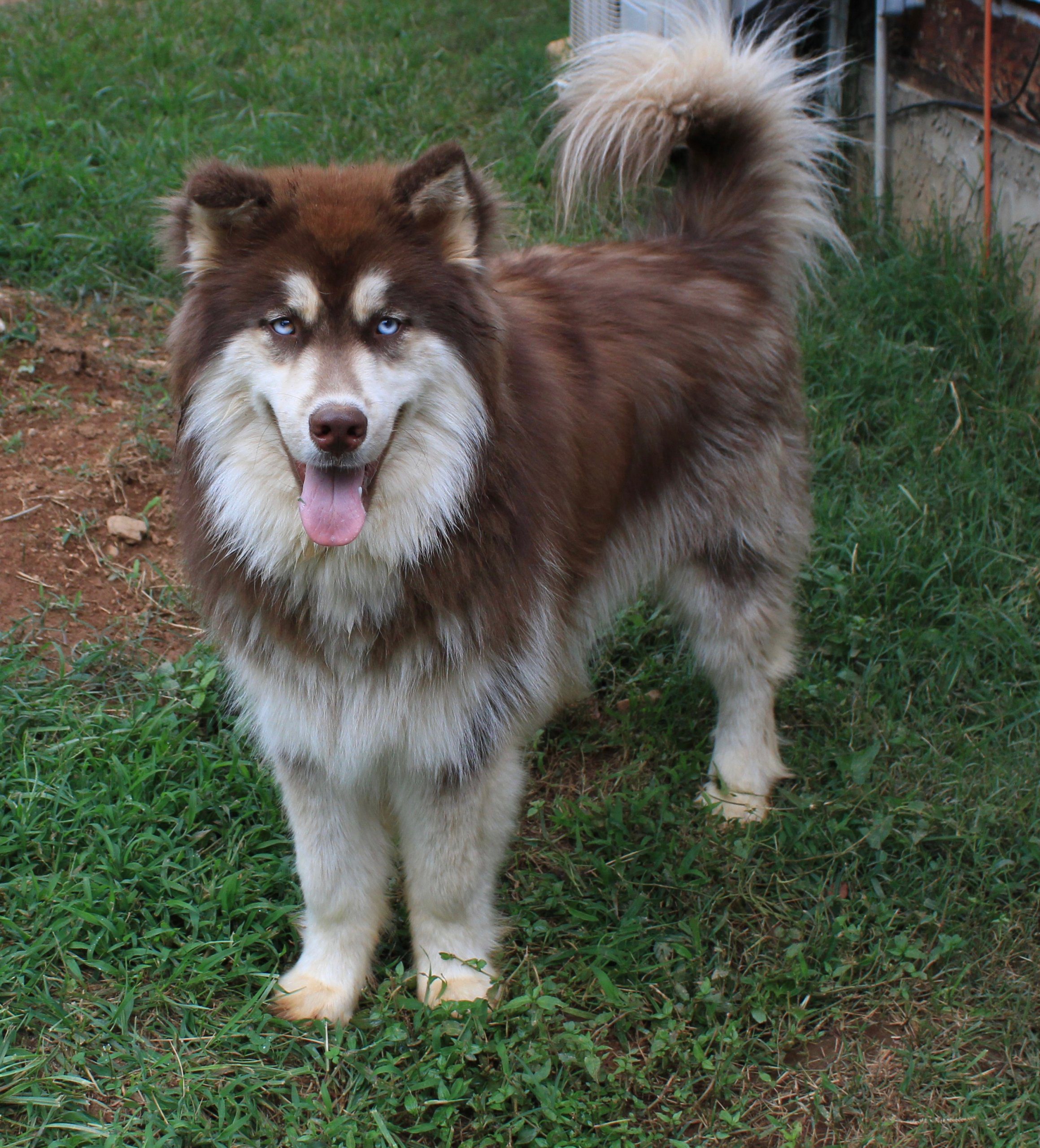
Name: Dublin
Brown/white Siberian Husky.
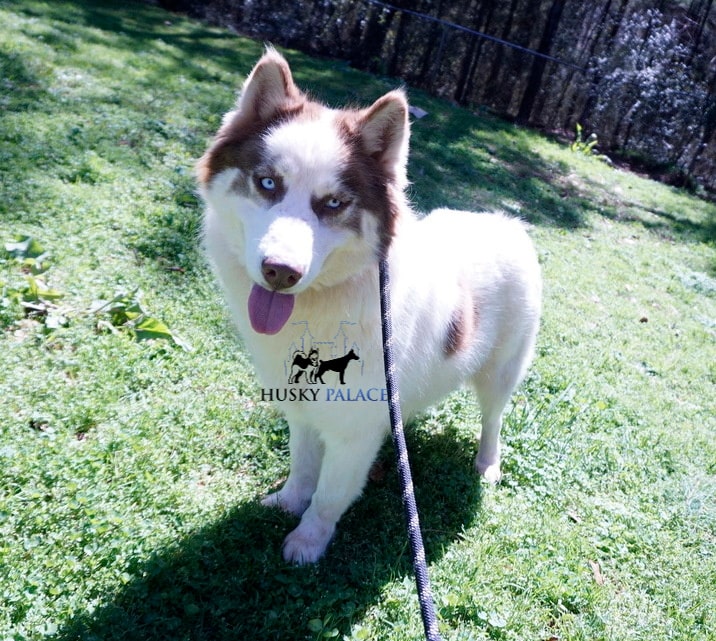
Name: Ziva
Brown/white Piebald Siberian Husky.
Solid Browns:
The difference between brown/white and solid brown is the facial markings. Solid browns will have little or no face markings. Some have white on their chest, legs, nose, and on their socks (paws).
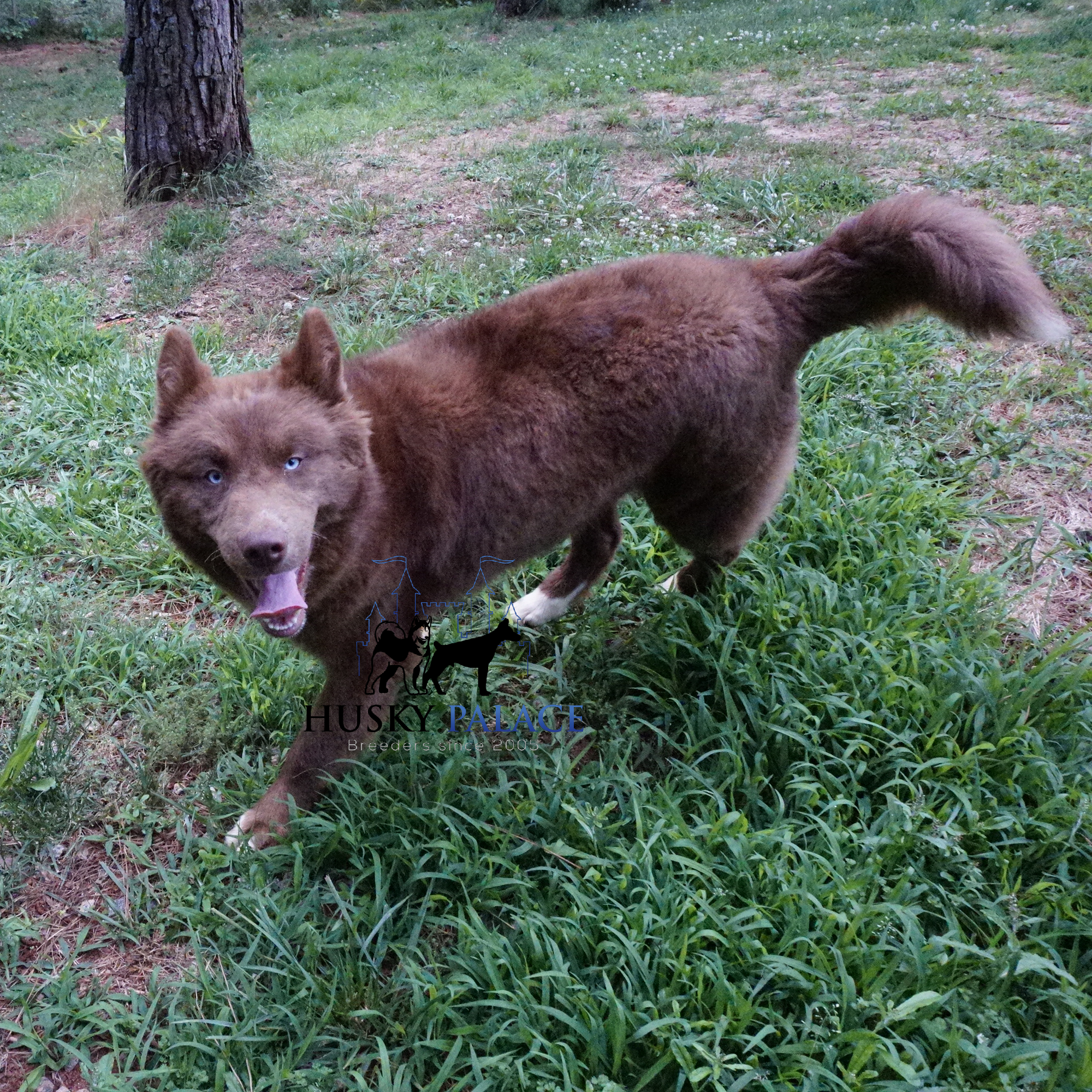
Name: Simba
Solid Brown Siberian Husky.
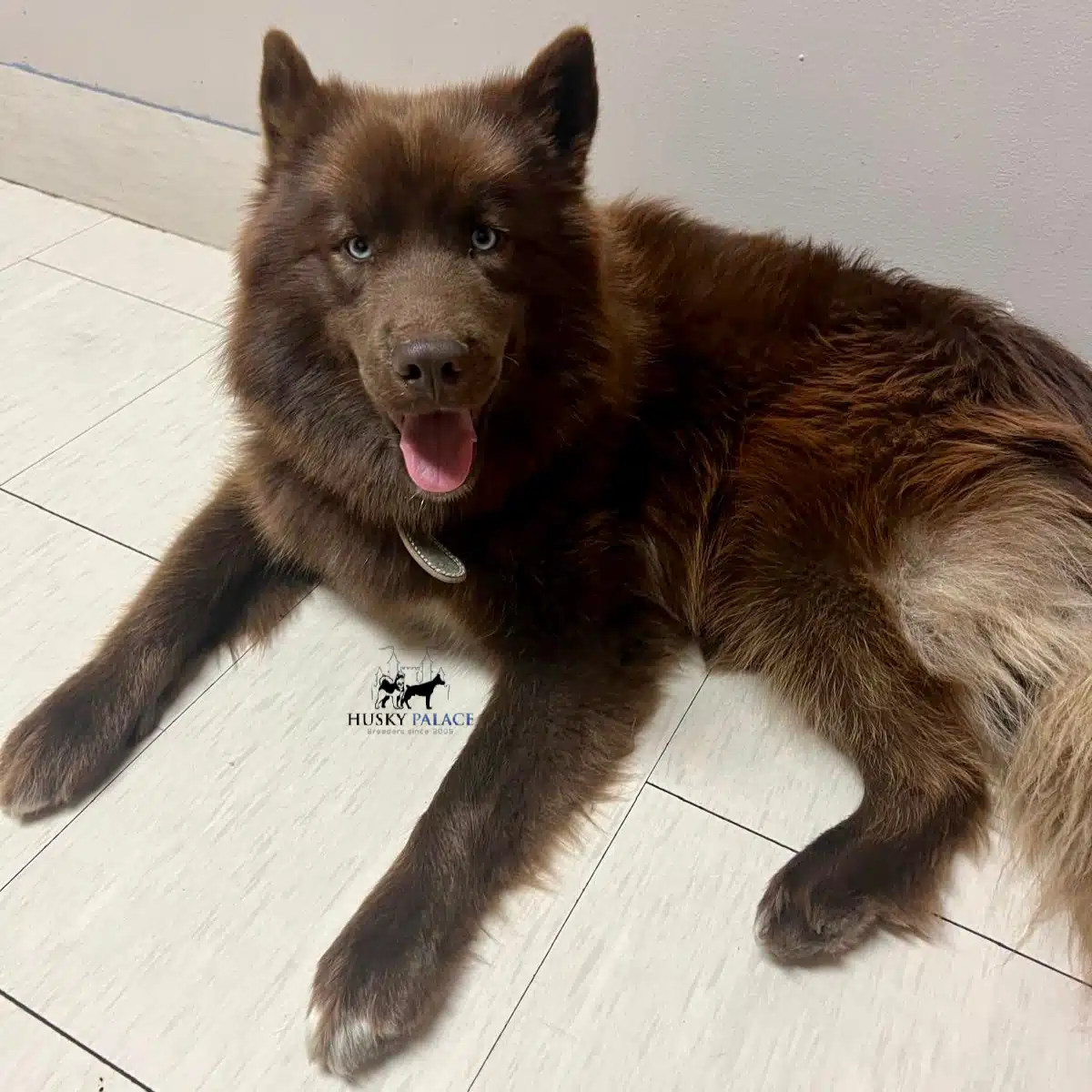
Name: Kalypso
Solid Brown Siberian Husky.
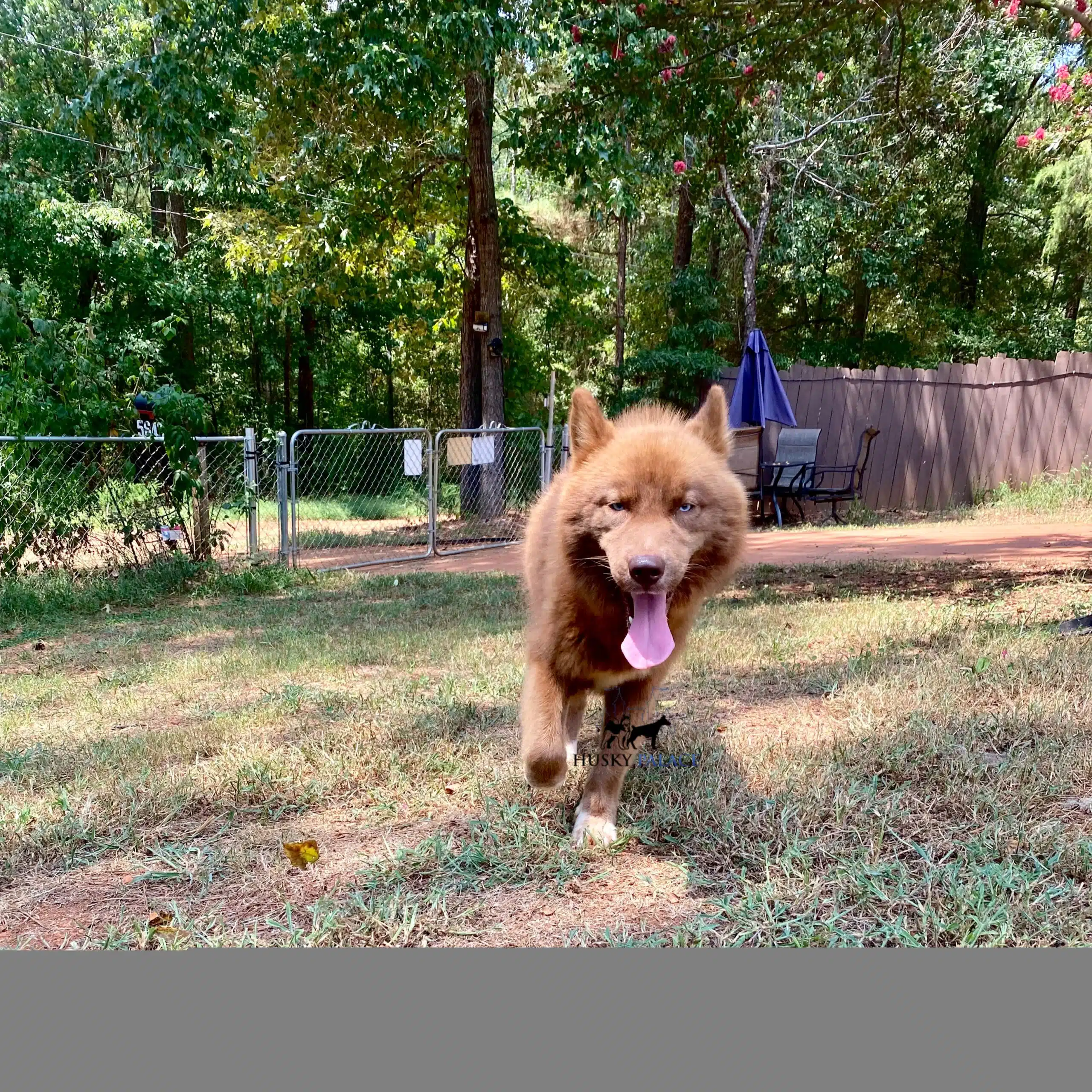
Name: Kiara
Solid Brown Siberian Husky.
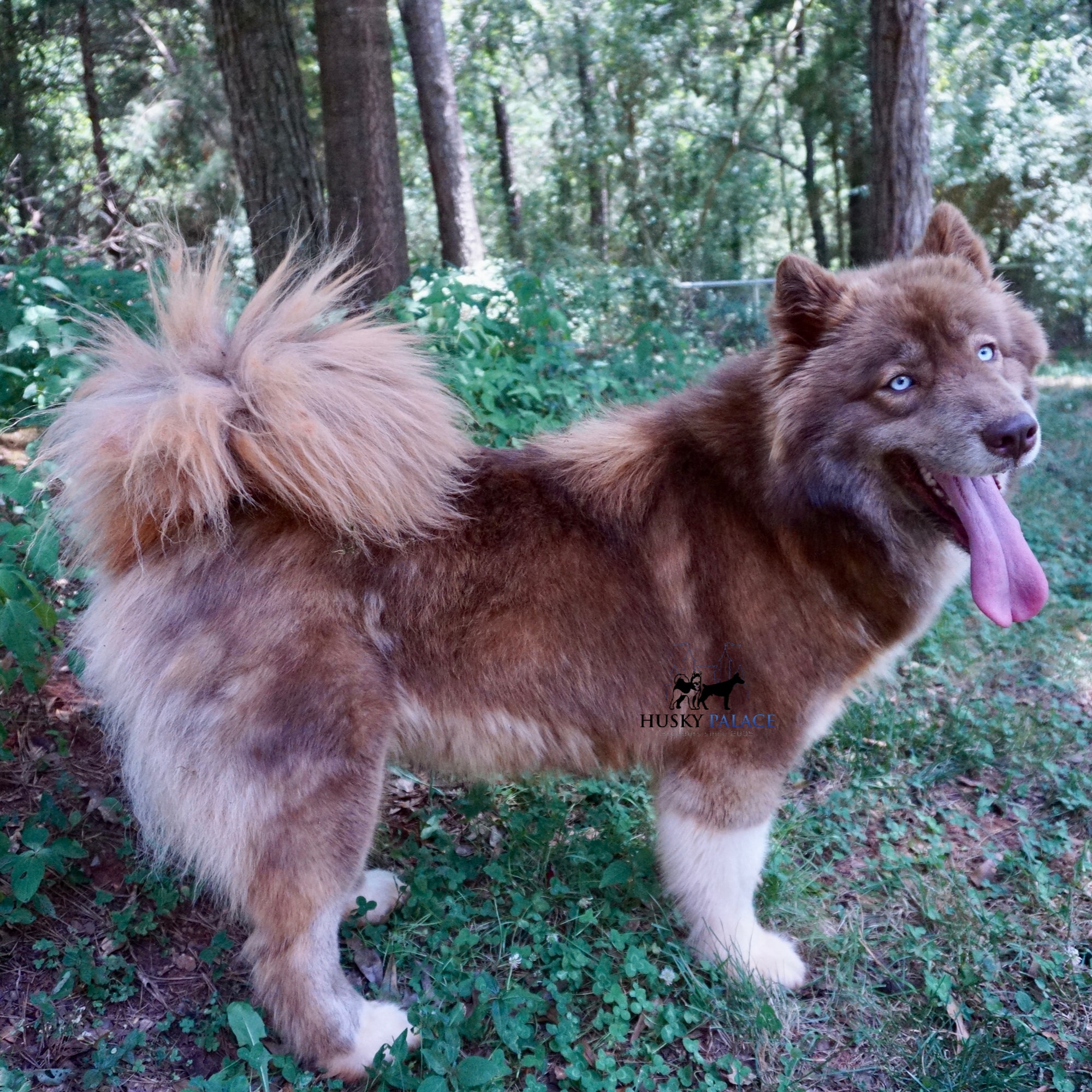
Name: Vitani
Solid Brown Siberian Husky.
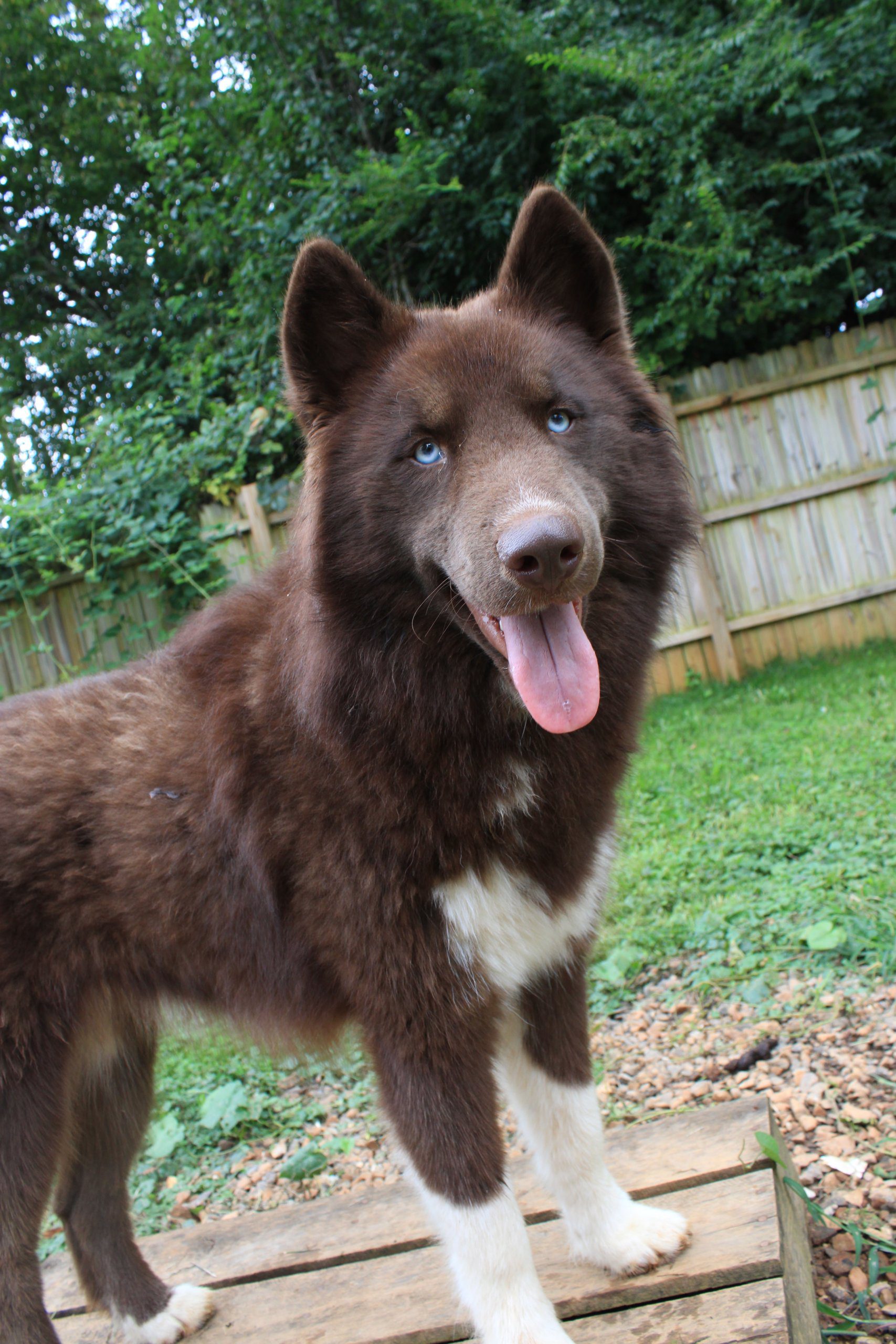
Name: Egan
Solid Brown Siberian Husky.
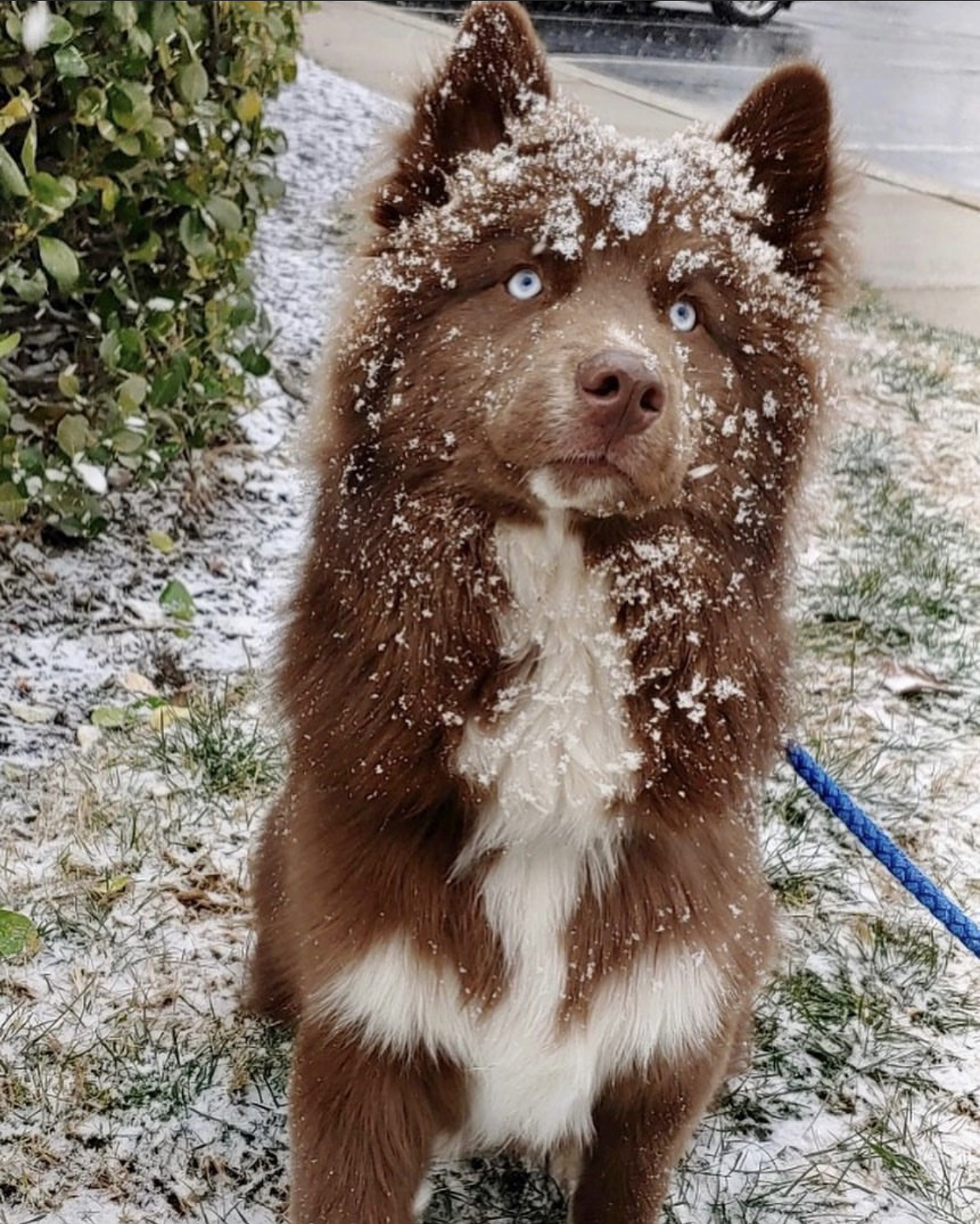
Name: Matapeake
Solid Brown Siberian Husky.
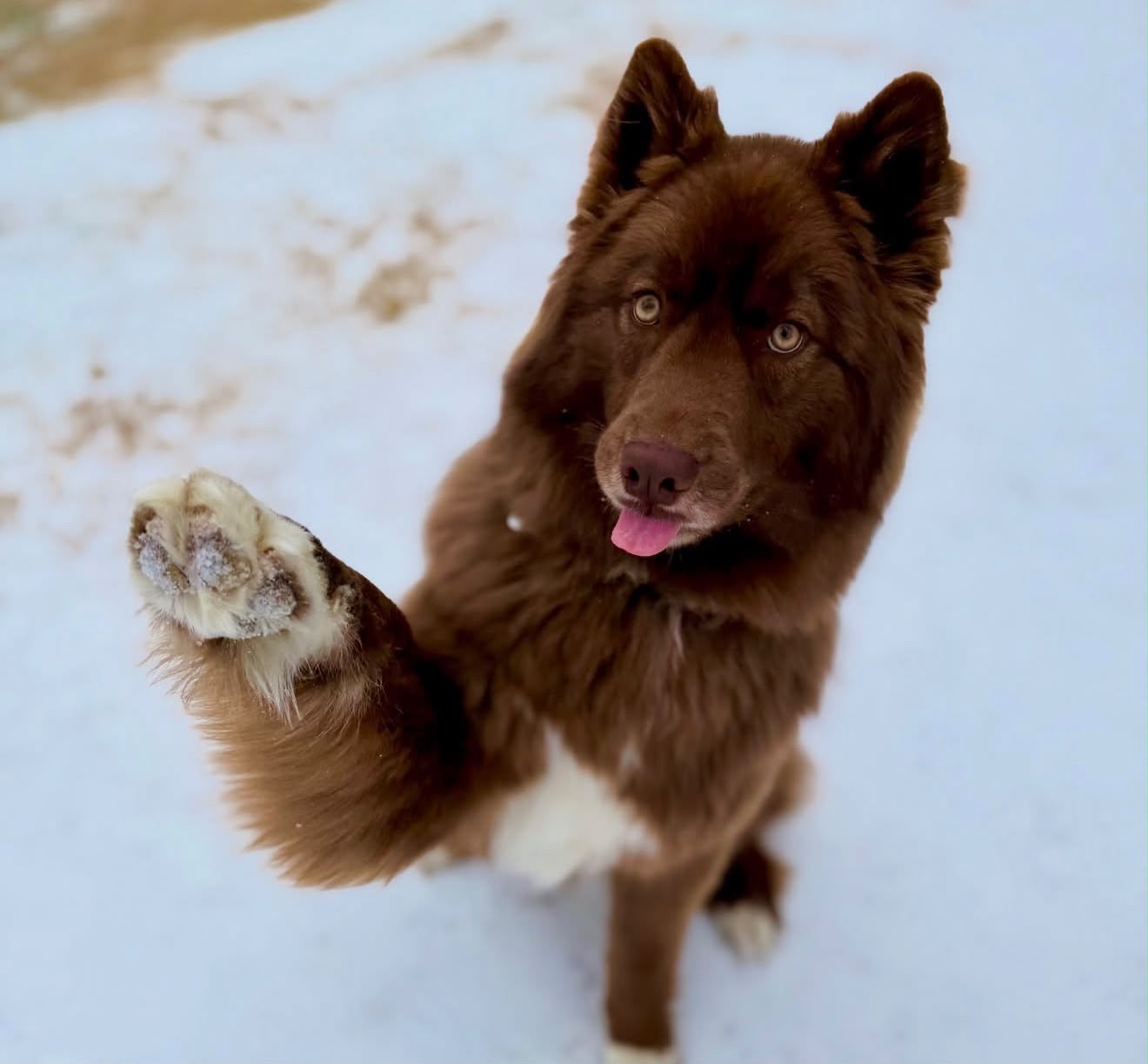
Name: Moca
Solid Brown Siberian Husky.
Gray/whites:
This is another color that was seen when I start. :) However, this color can be confused with the black/white diluted when they are younger (puppy age). There are 3 subcategories with this coat color.
Wolf Gray:
This will be darker gray with rich red, beige, or tan around the face and ears.
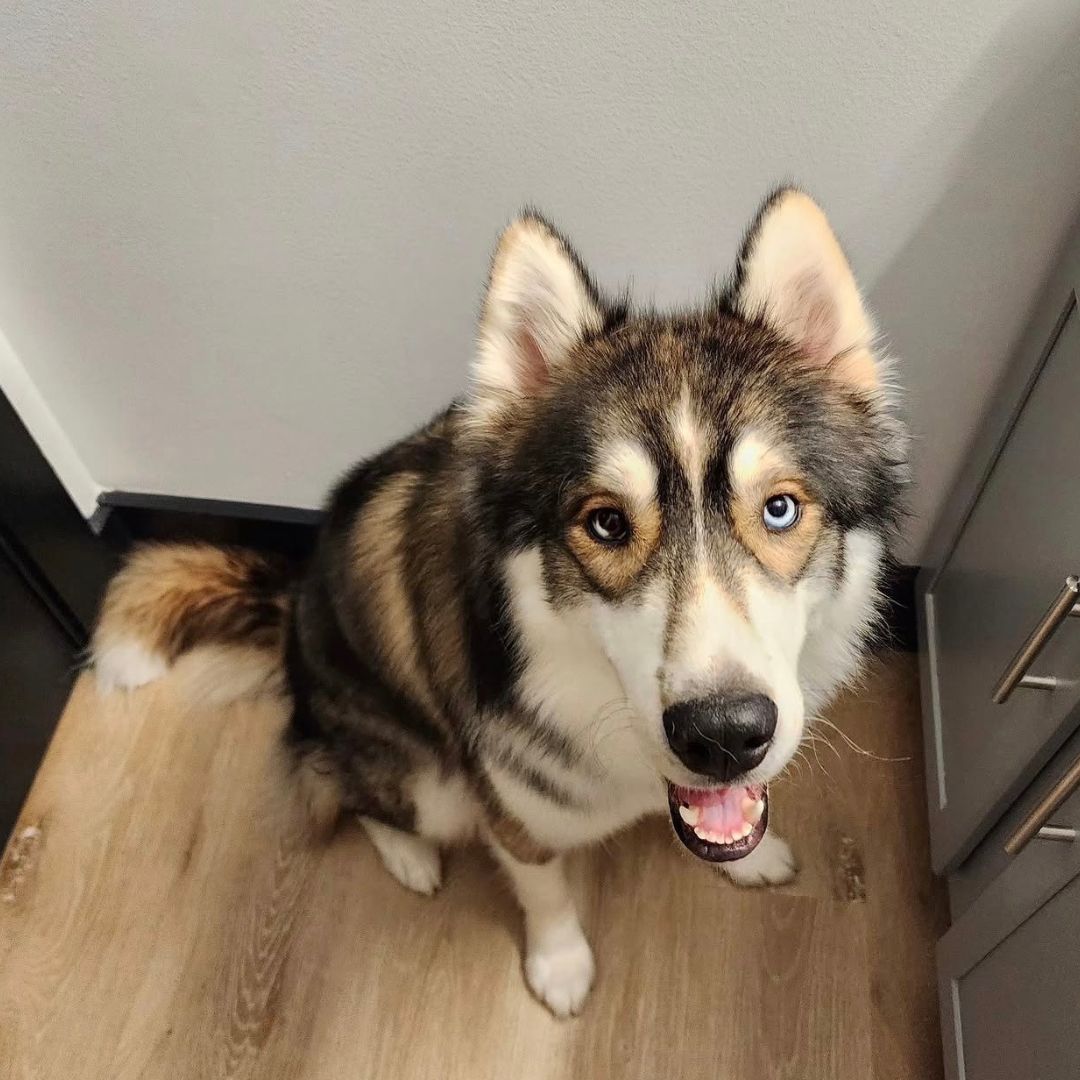
Name: Thoma
Wolf Gray Siberian Husky.
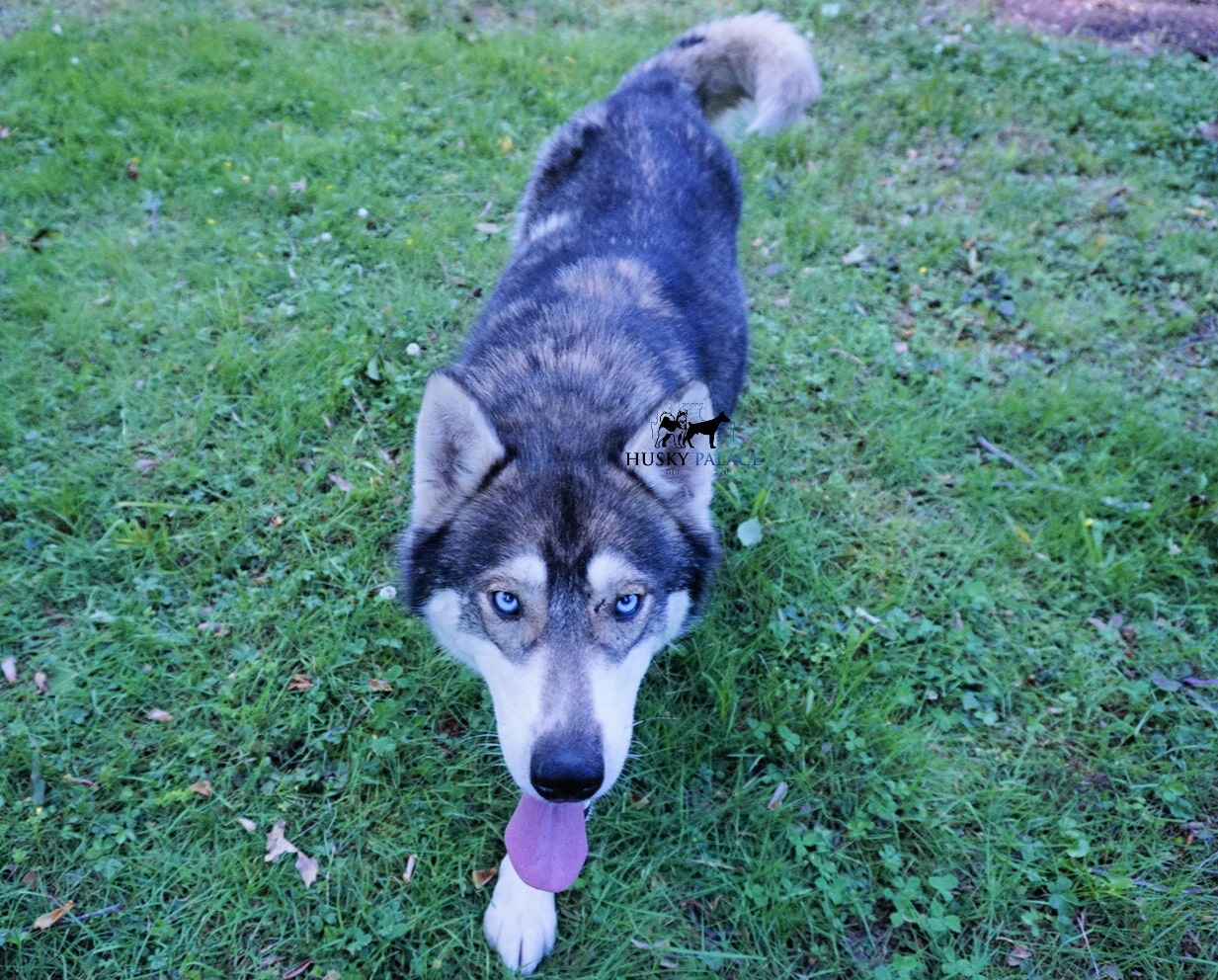
Name: Yoti
Wolf Gray Siberian Husky.
Gray:
This is the “true gray” and the most common gray. Which is a medium to dark gray. Some red, beige, or tan can be found in this gray. However not as rich as a wolf gray.
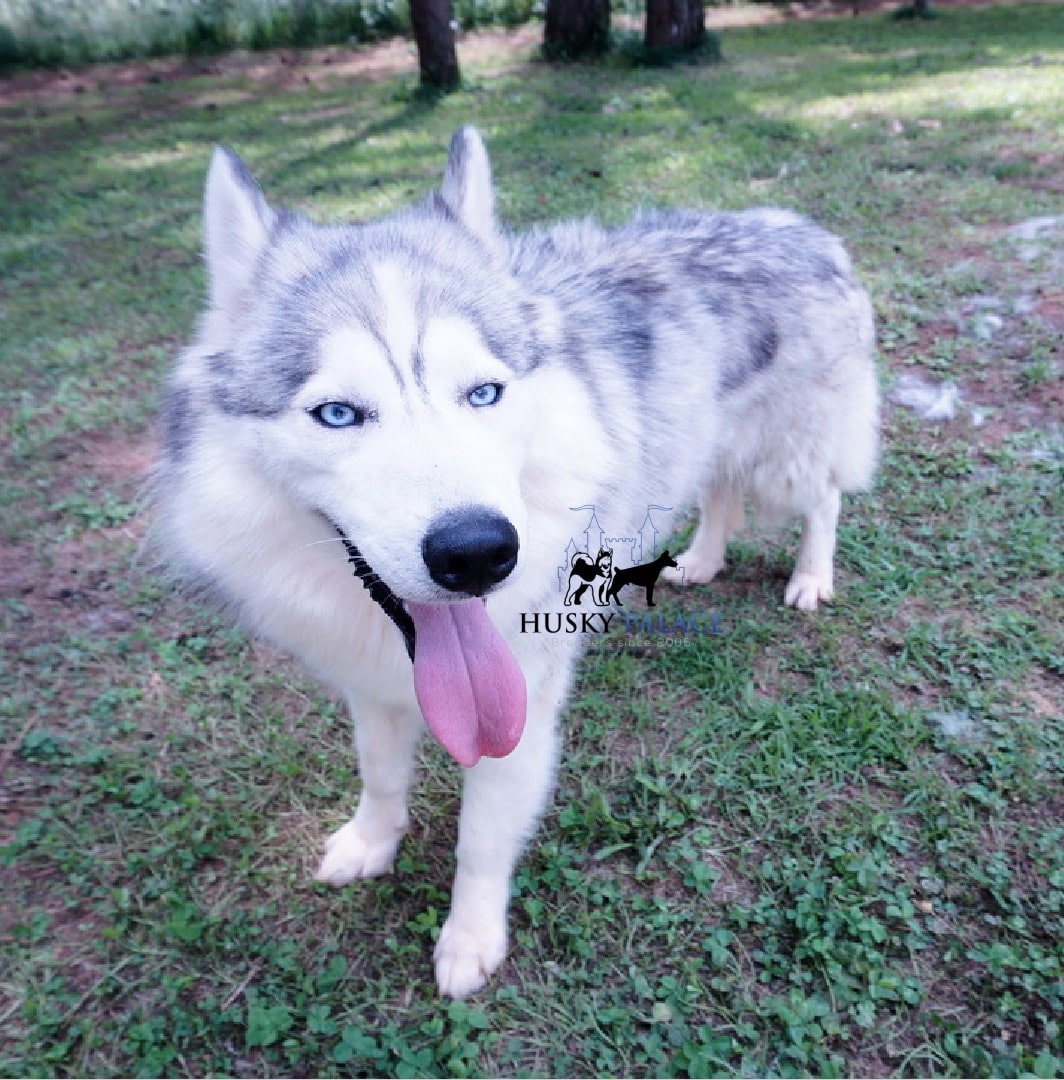
Name: Anika
Gray Siberian Husky.
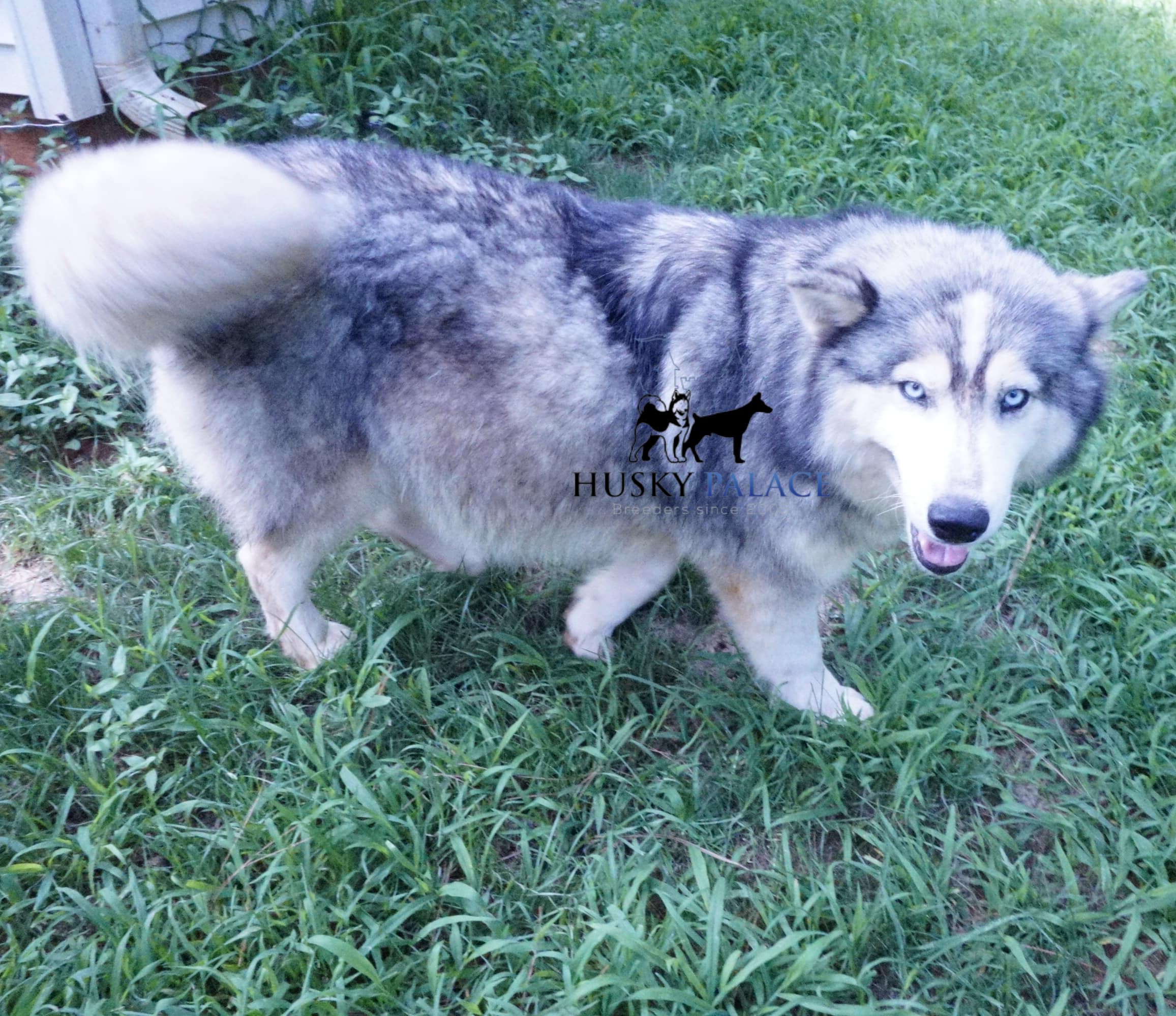
Name: Kashtin
Gray Siberian Husky.
Silver Gray:
This is a lighter gray. With a white undercoat. There is no red, tan, or beige.
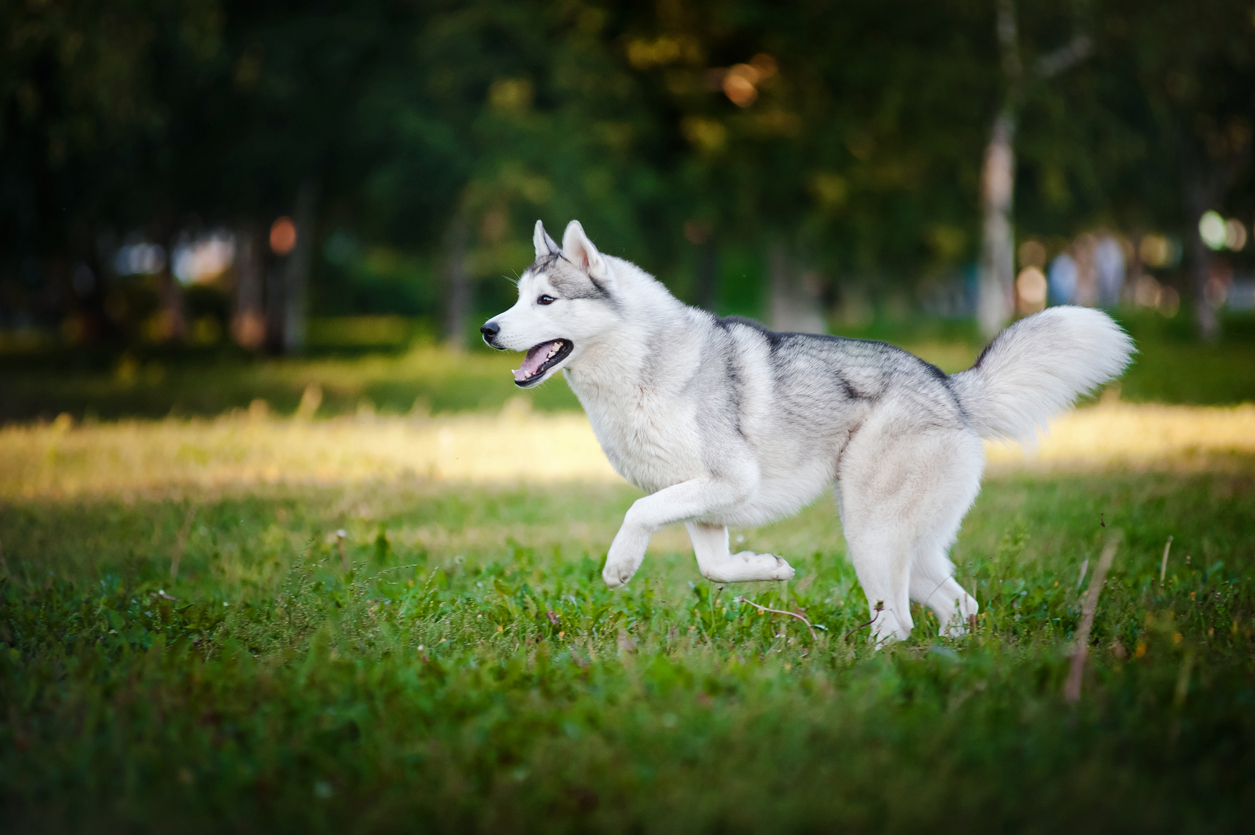
Name: None Image from Istock
Silver Gray Siberian Husky.
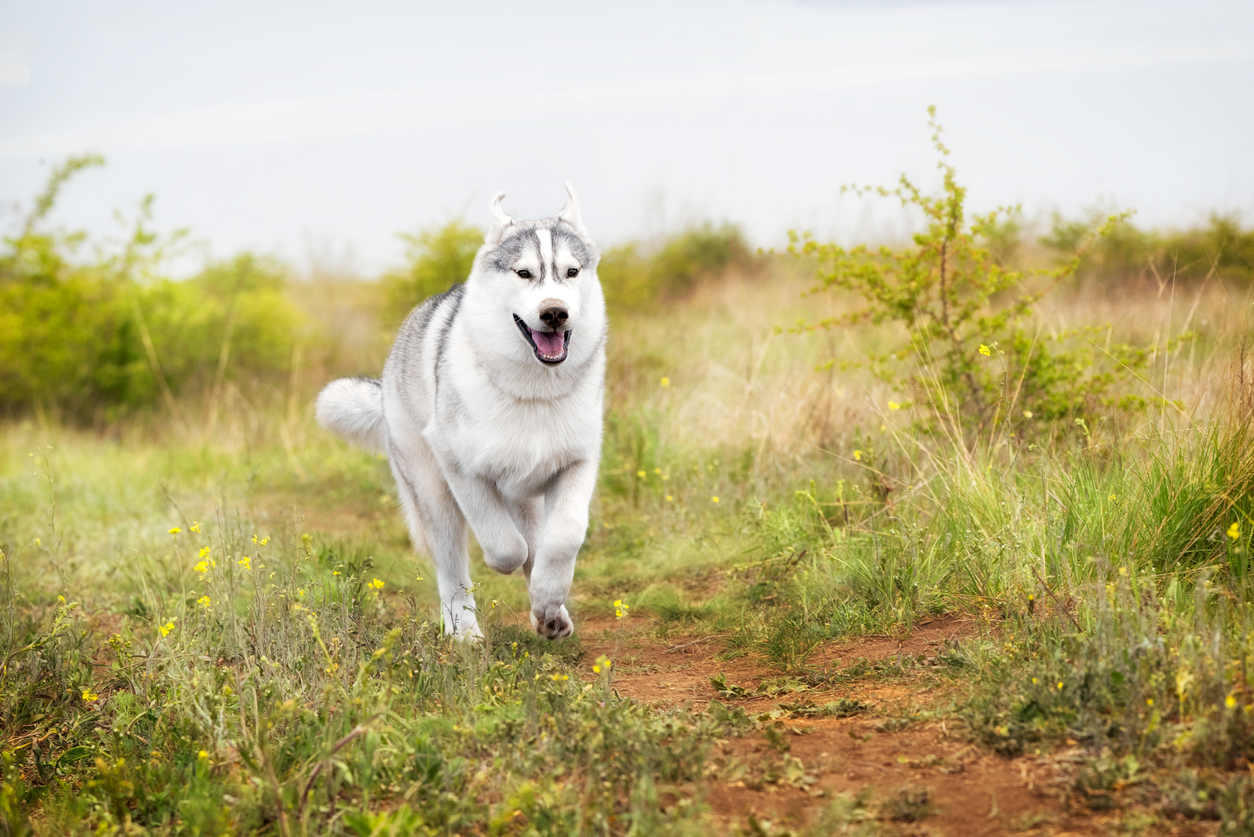
Name: None Image from Istock
Silver Gray Siberian Husky.
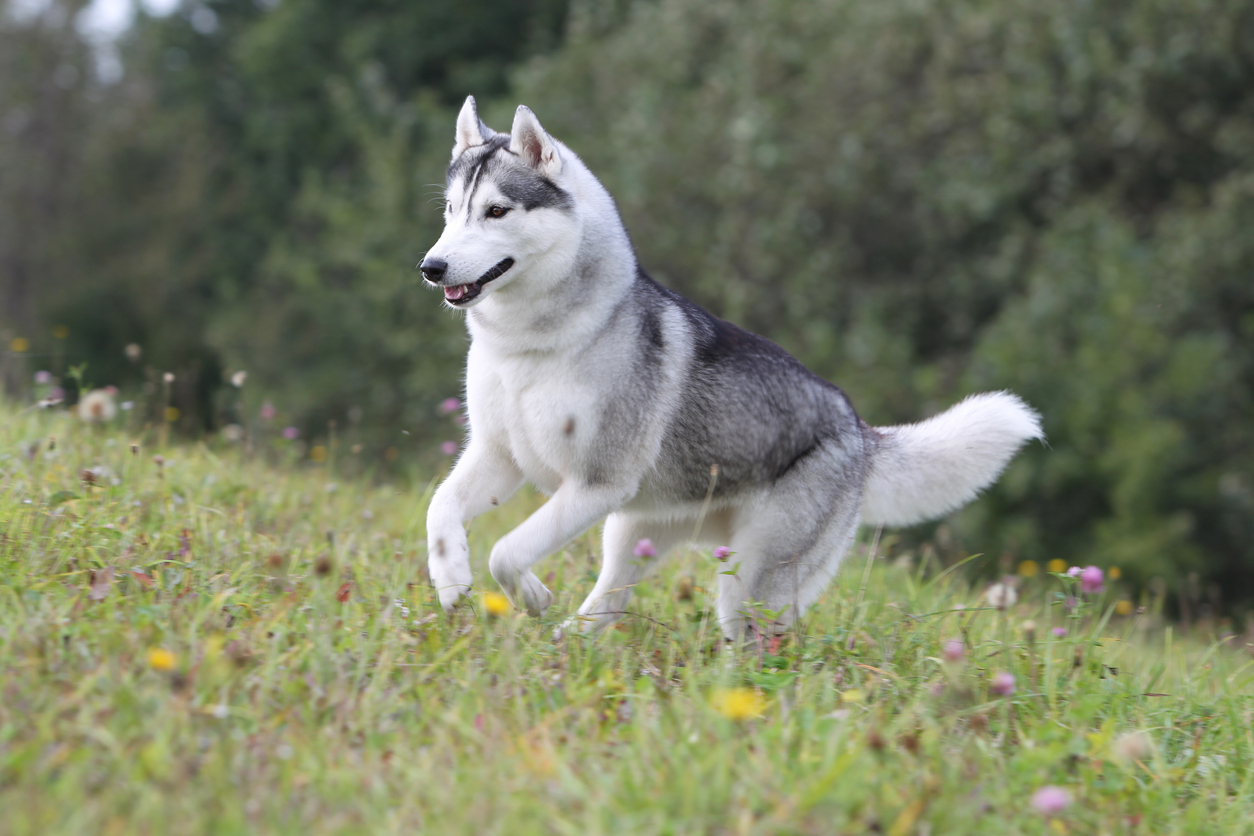
Name: None Image from Istock
Silver Gray Siberian Husky.
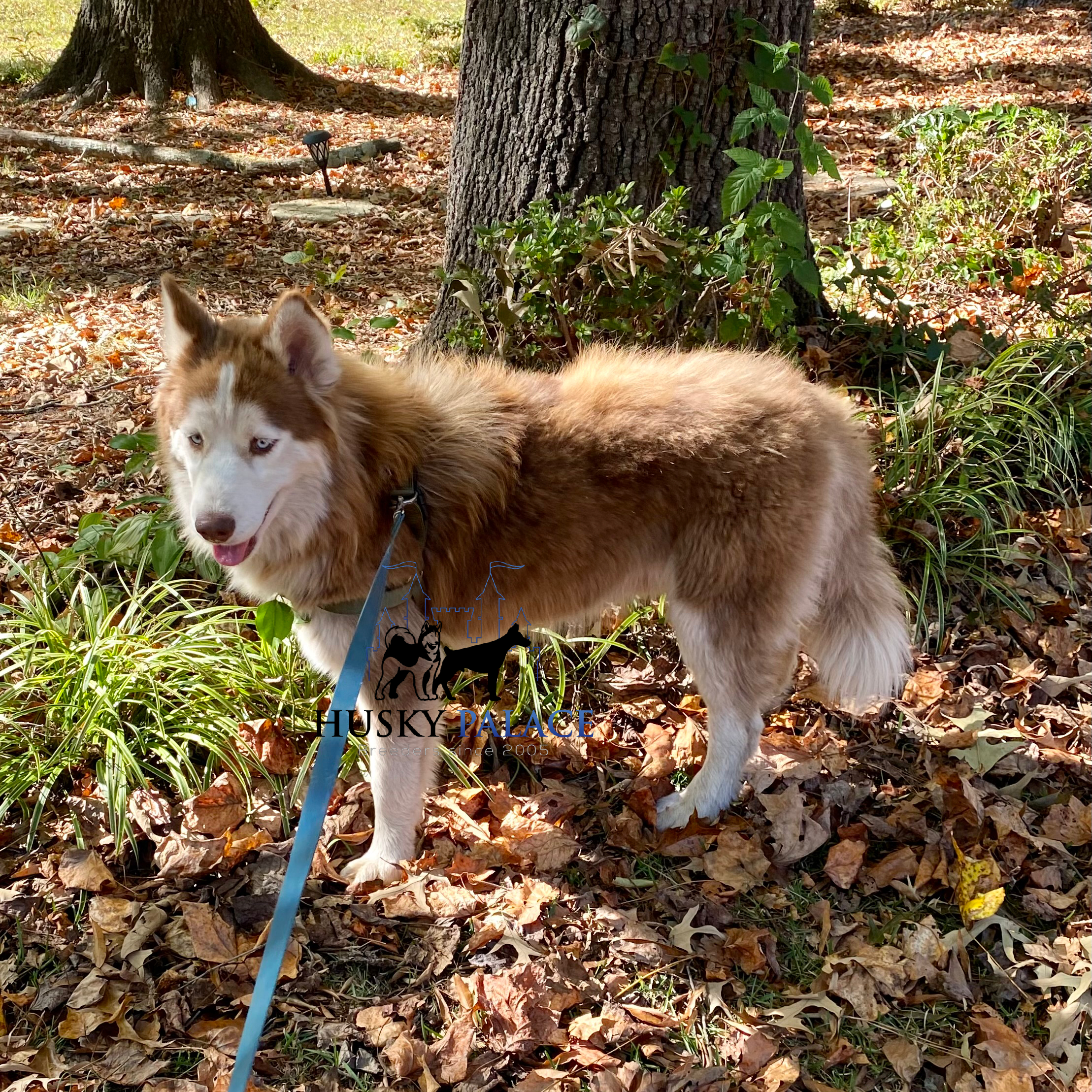
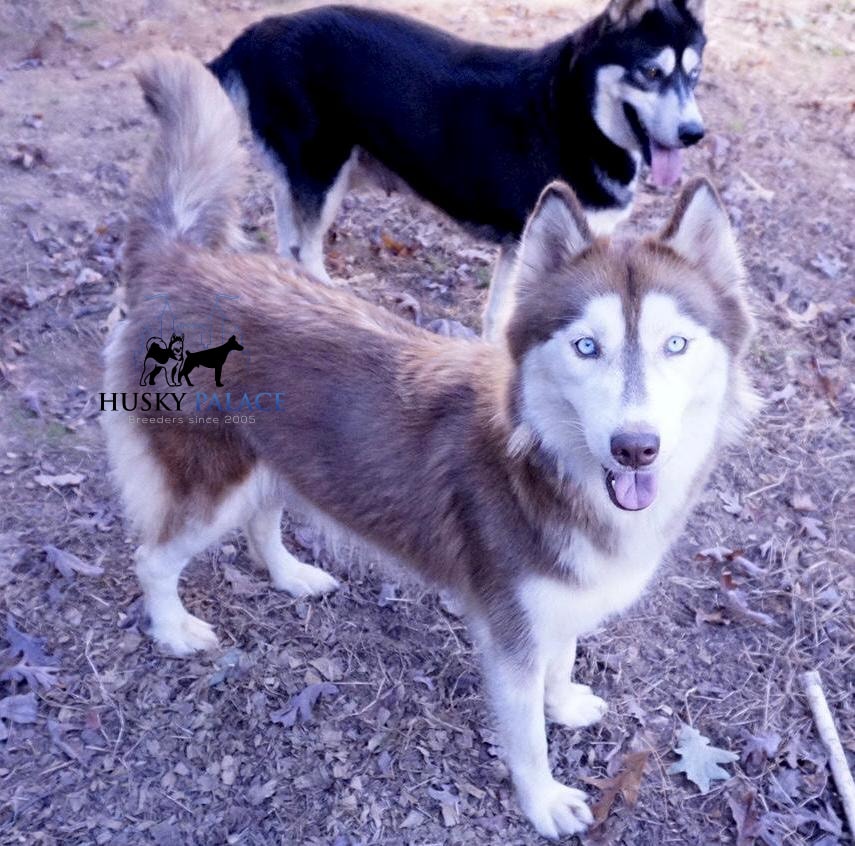
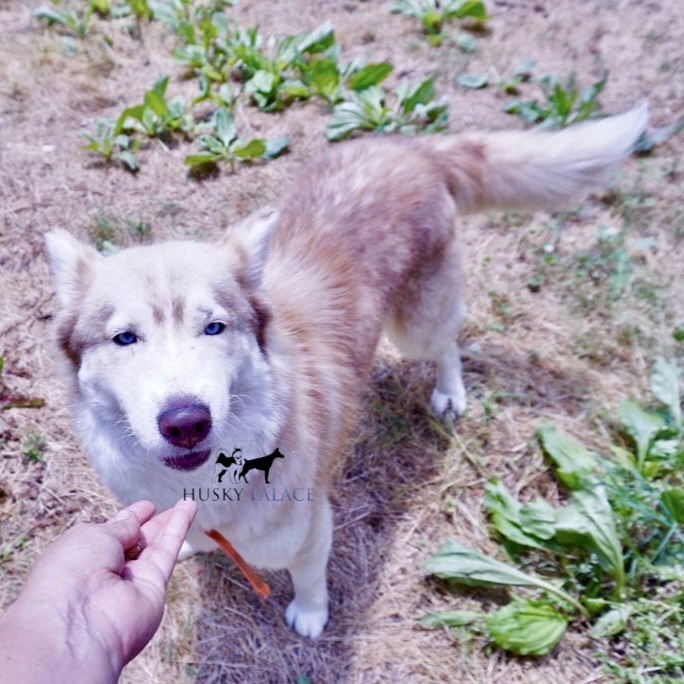
Red/whites:
This color is common. Most breeders, if not all, will have red/whites. This color will have a liver color nose.
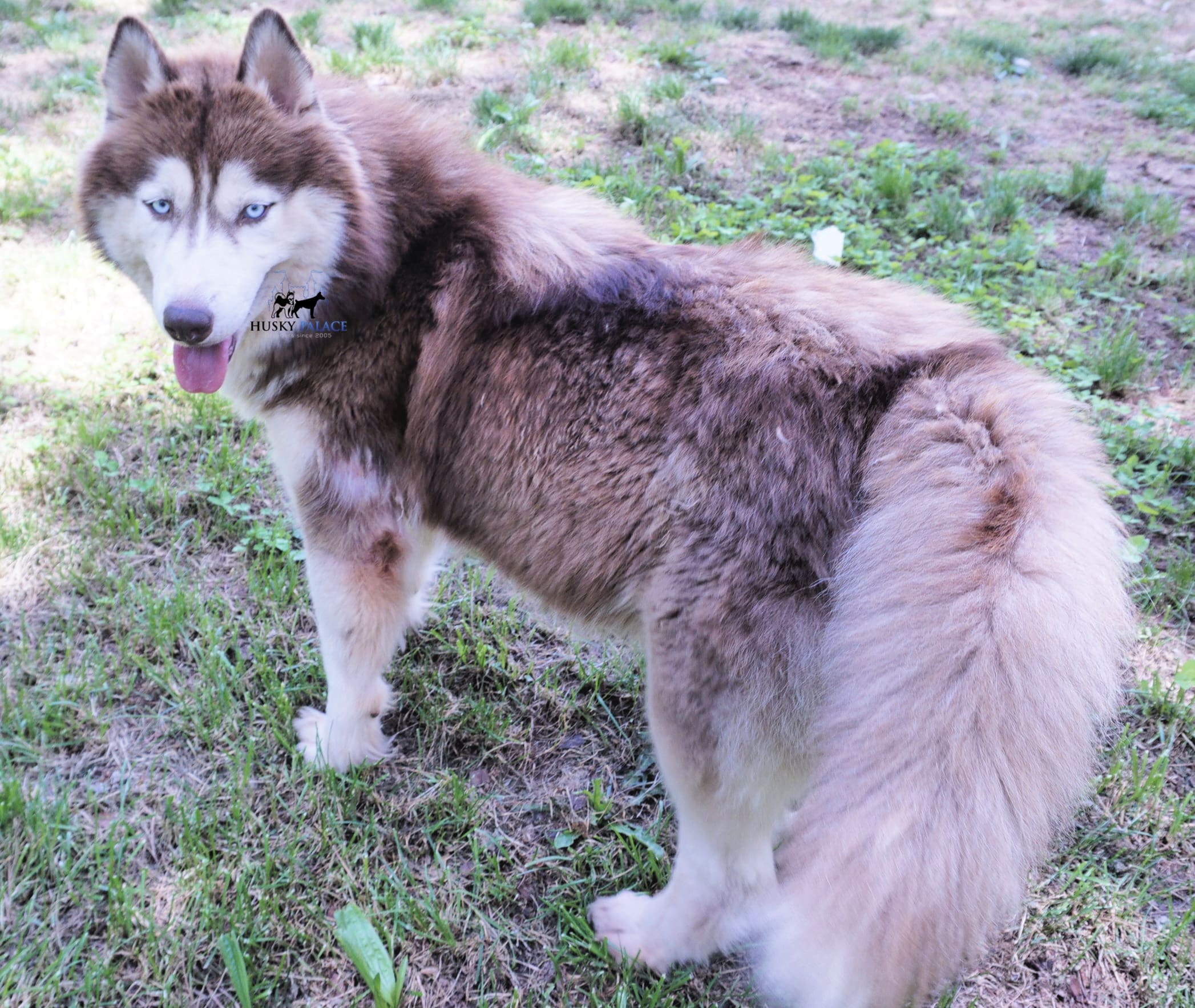
Name: Ariel
Red/white Siberian Husky.
Name: Grizzly
Red/white Siberian Husky.
Name: Shakira
Red/white Siberian Husky.
Name: Cheyanne
Light Red/white Siberian Husky.
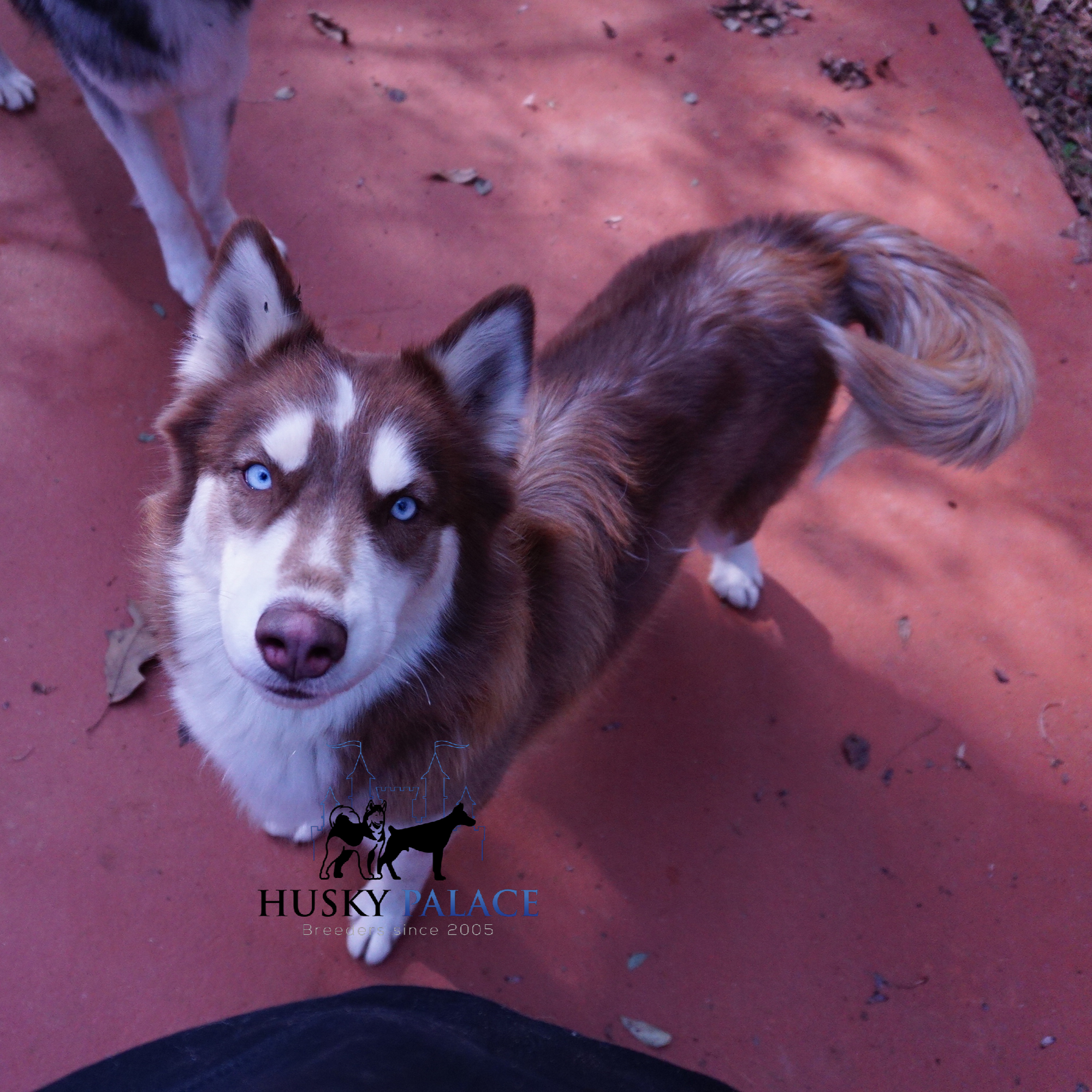
Name: Aries
Dark Red/white Siberian Husky.
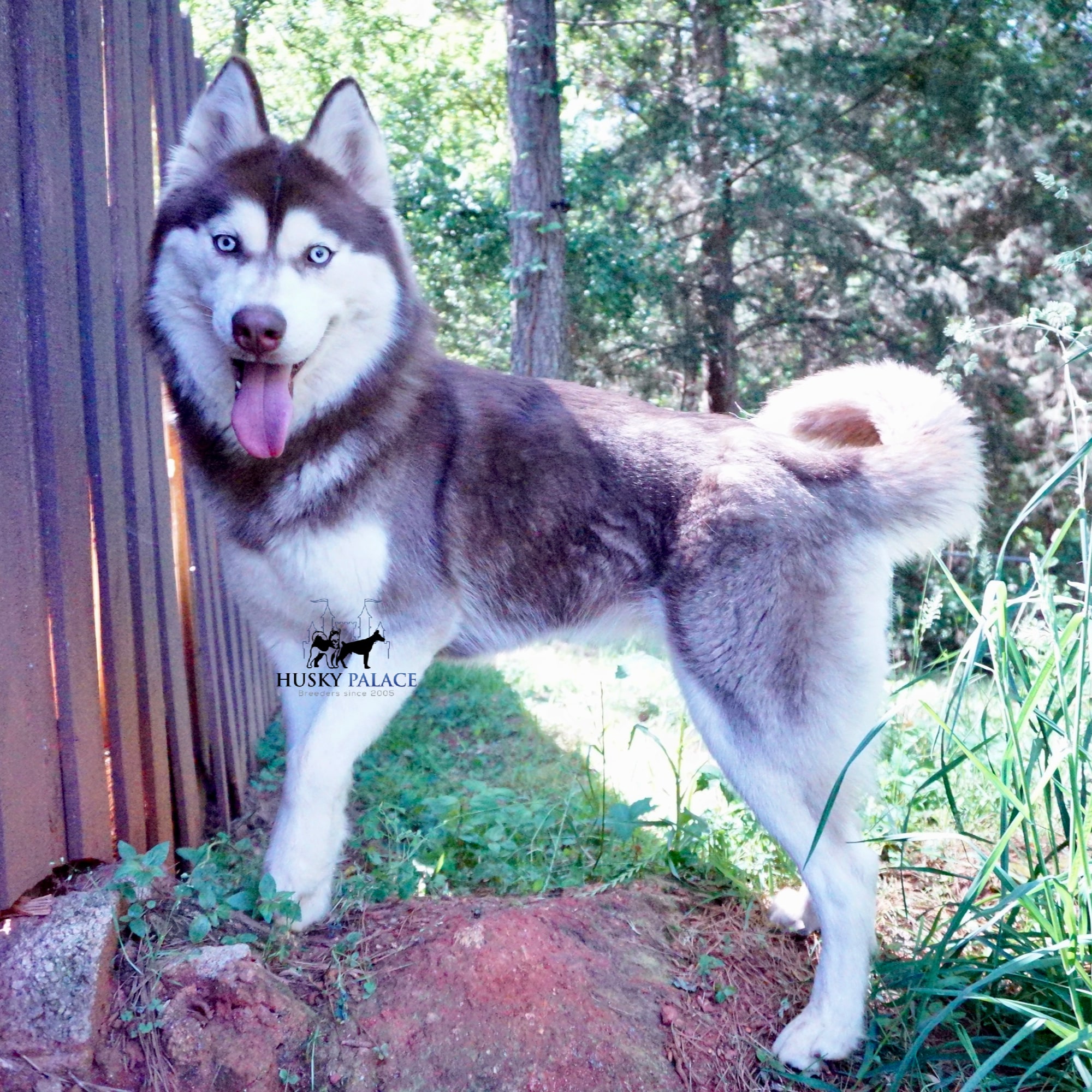
Name: Rosie
Dark Red/white Siberian Husky.
Sable (black nose reds):
This color was seen when I started. However not common. I only had one sable adult in our breeding program. Remember, we have been breeding since 2005. We try to stay away from this color because families tend not want to adopt this color. Which makes it harder for us to find the pup a forever home.
Sable Huskies are typically red hue with a black nose. Along with black tipping on the hairs. Their undercoat is likely to be red or copper. Never beige.
Unfortunately, I can not find a photo I could post that was not copyrighted. You may look up “sable Siberian husky” on Google to find examples!
Whites:
Last but not least, white coat huskies. Also a common color. I had 3 whites when I started the breeding program. :) This coat color can have a black or liver color nose. There are 3 subcategories.
Solid White:
Just like it sounds. This color is pure white with no cream/beige in them.
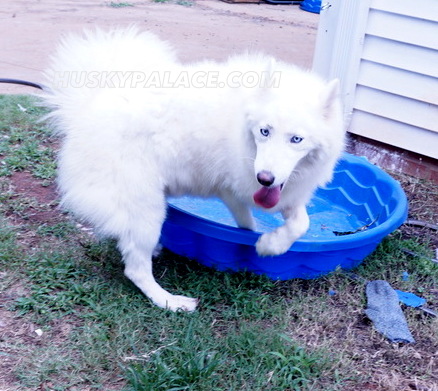
Name: Davina Claire
Solid White Siberian Husky.
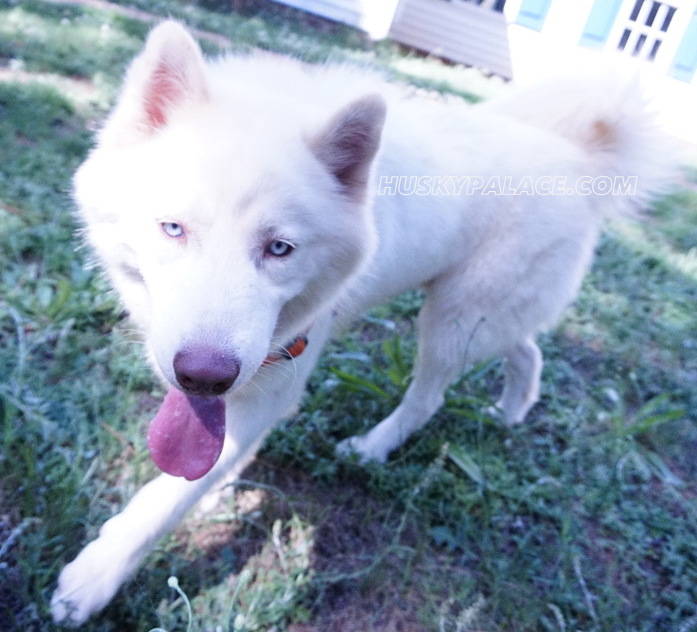
Name: Klaus Mikelason
Solid White Siberian Husky.
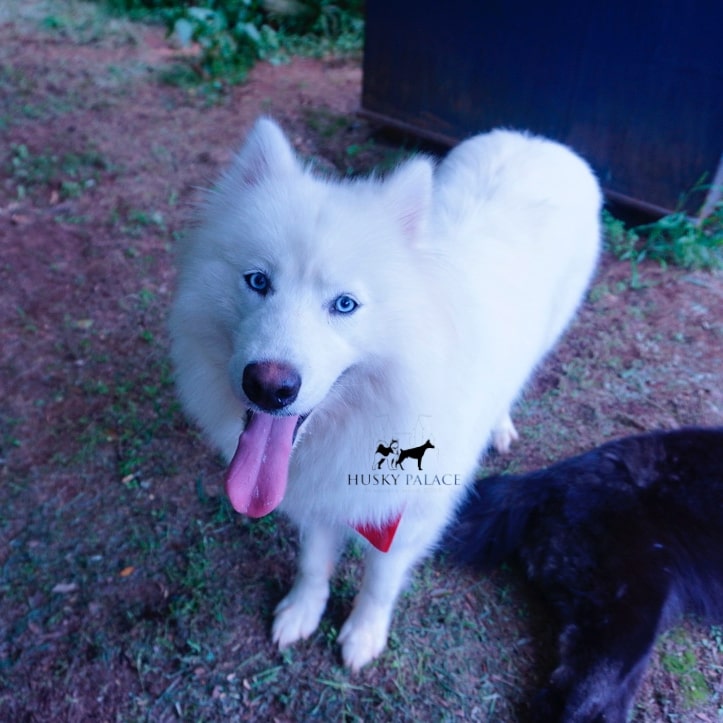
Name: Briella
Solid White Siberian Husky.
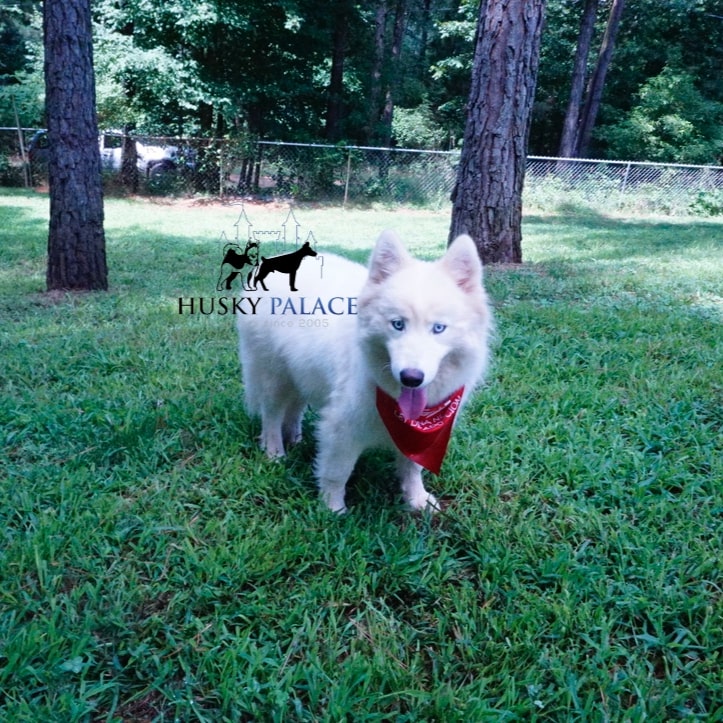
Name: Krystal
Solid White Siberian Husky.
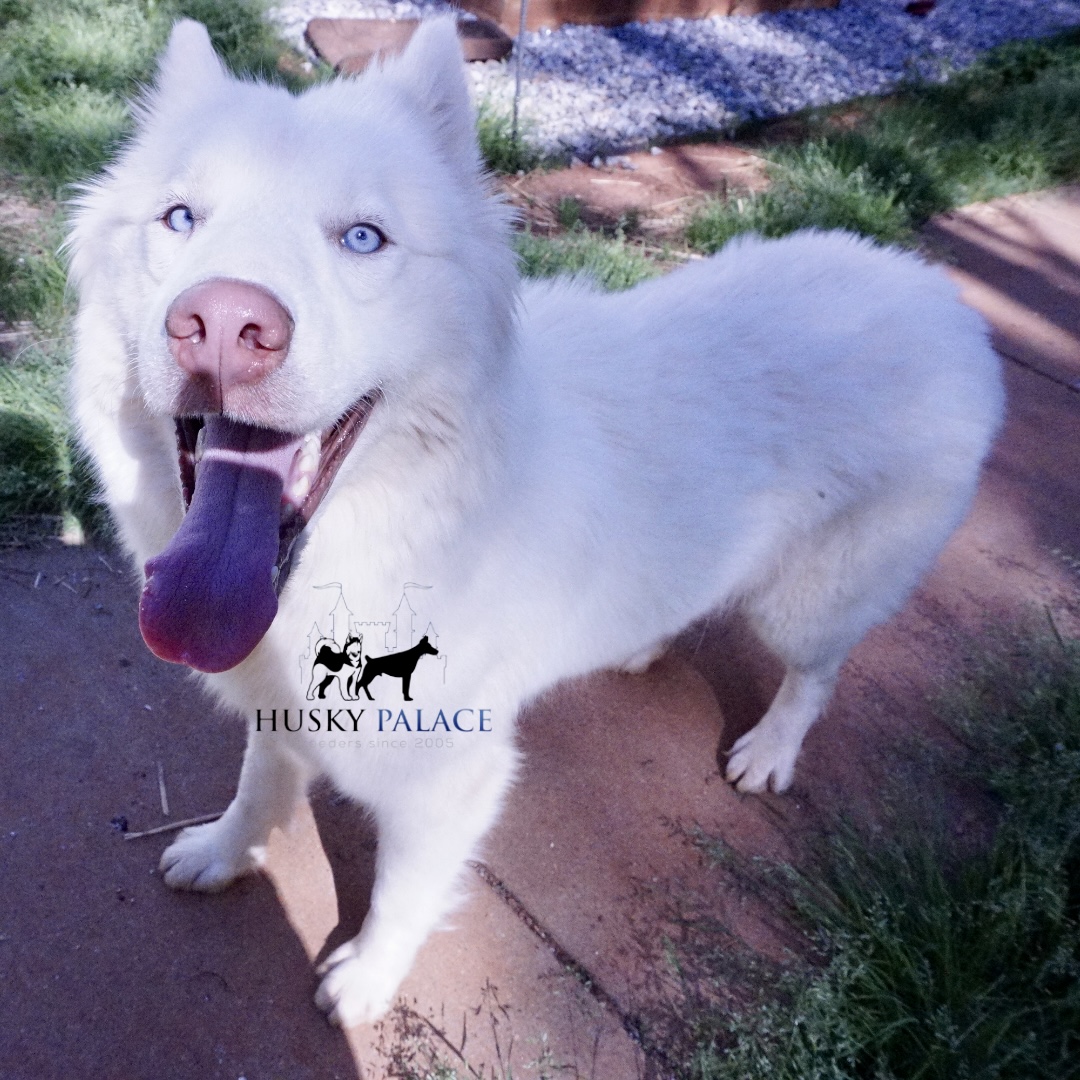
Name: Everest
Solid White Siberian Husky.
White:
This white will have some cream. Therefore mostly white.
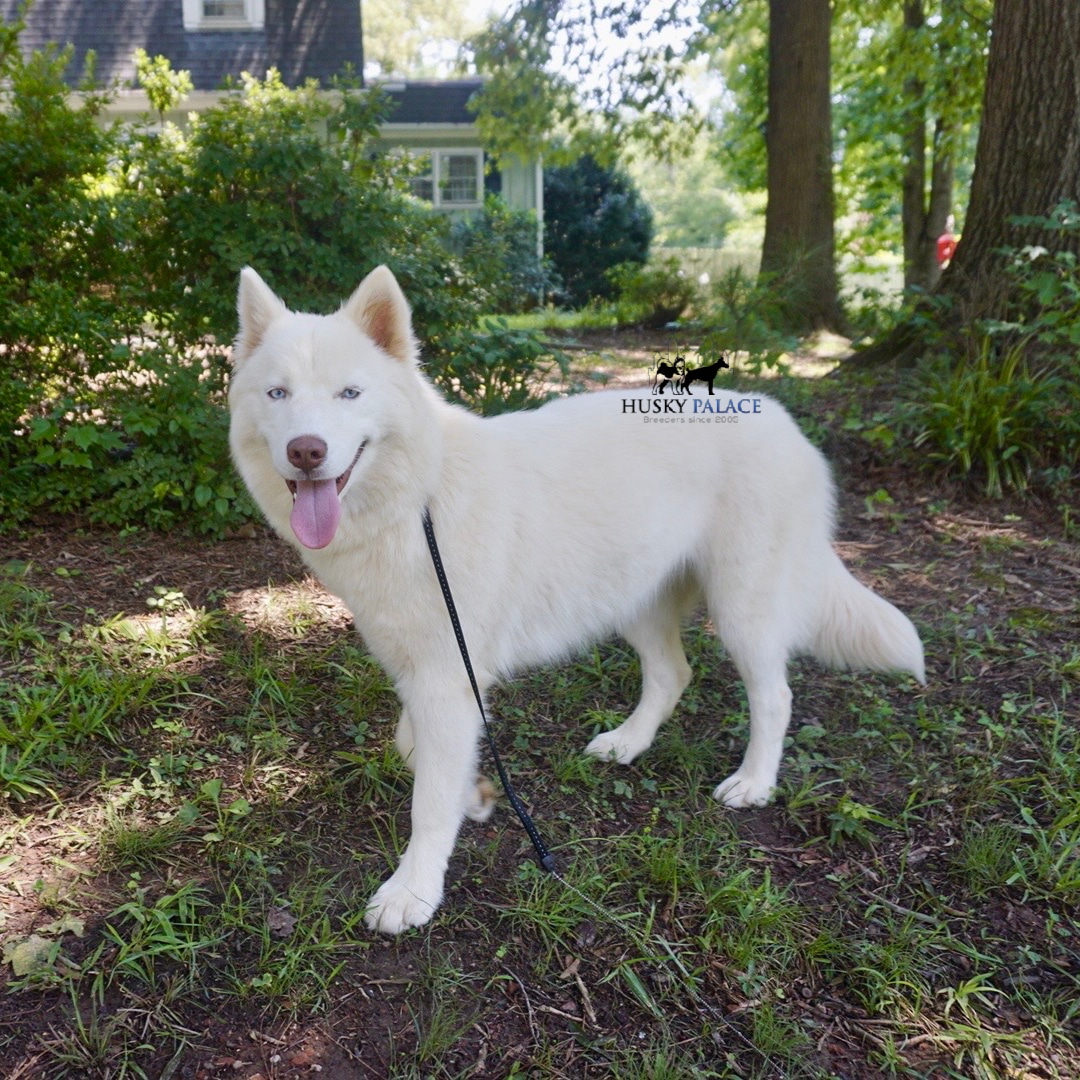
Name: Nova
White Siberian Husky.
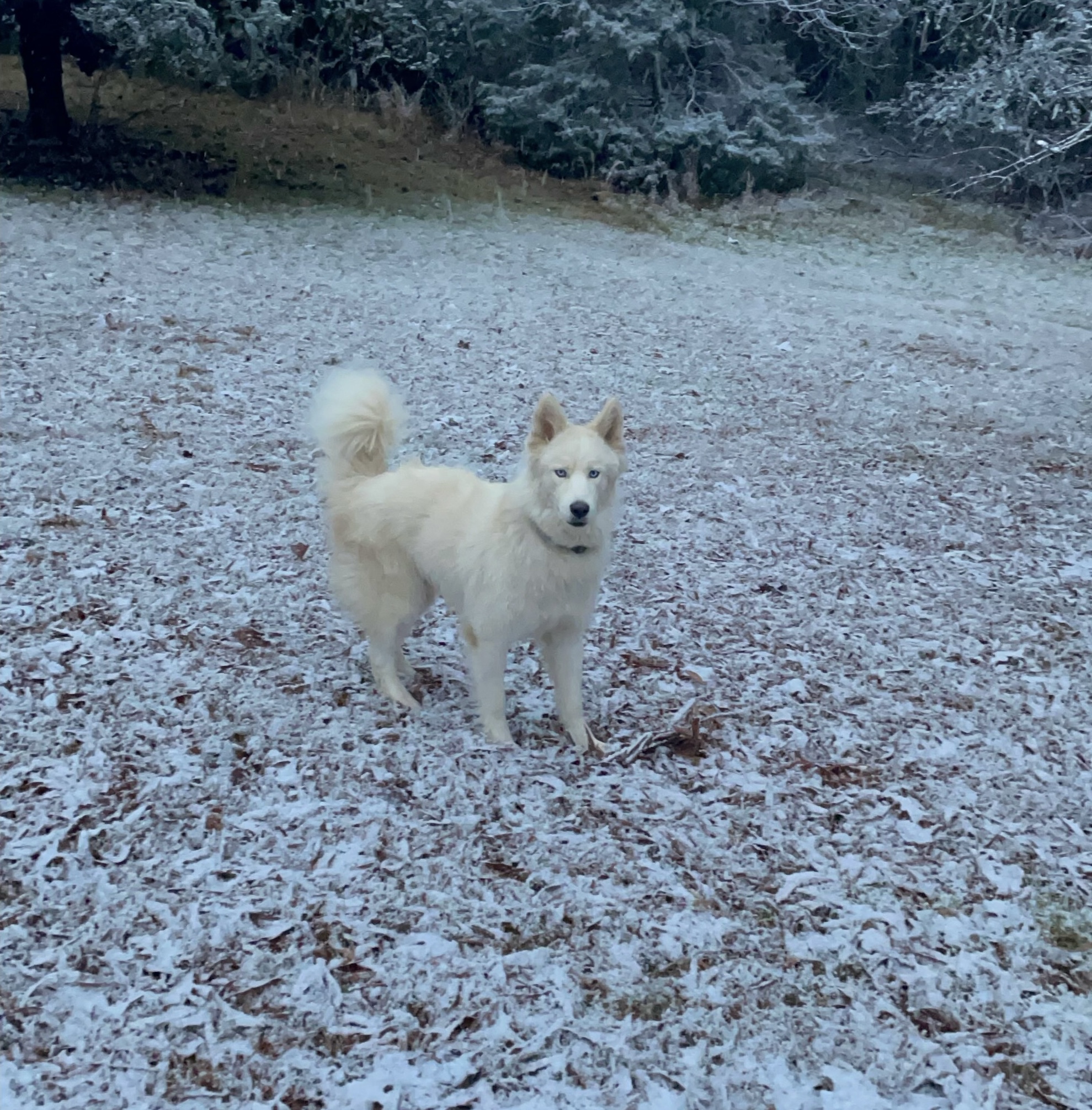
Name: Balto
White Siberian Husky.
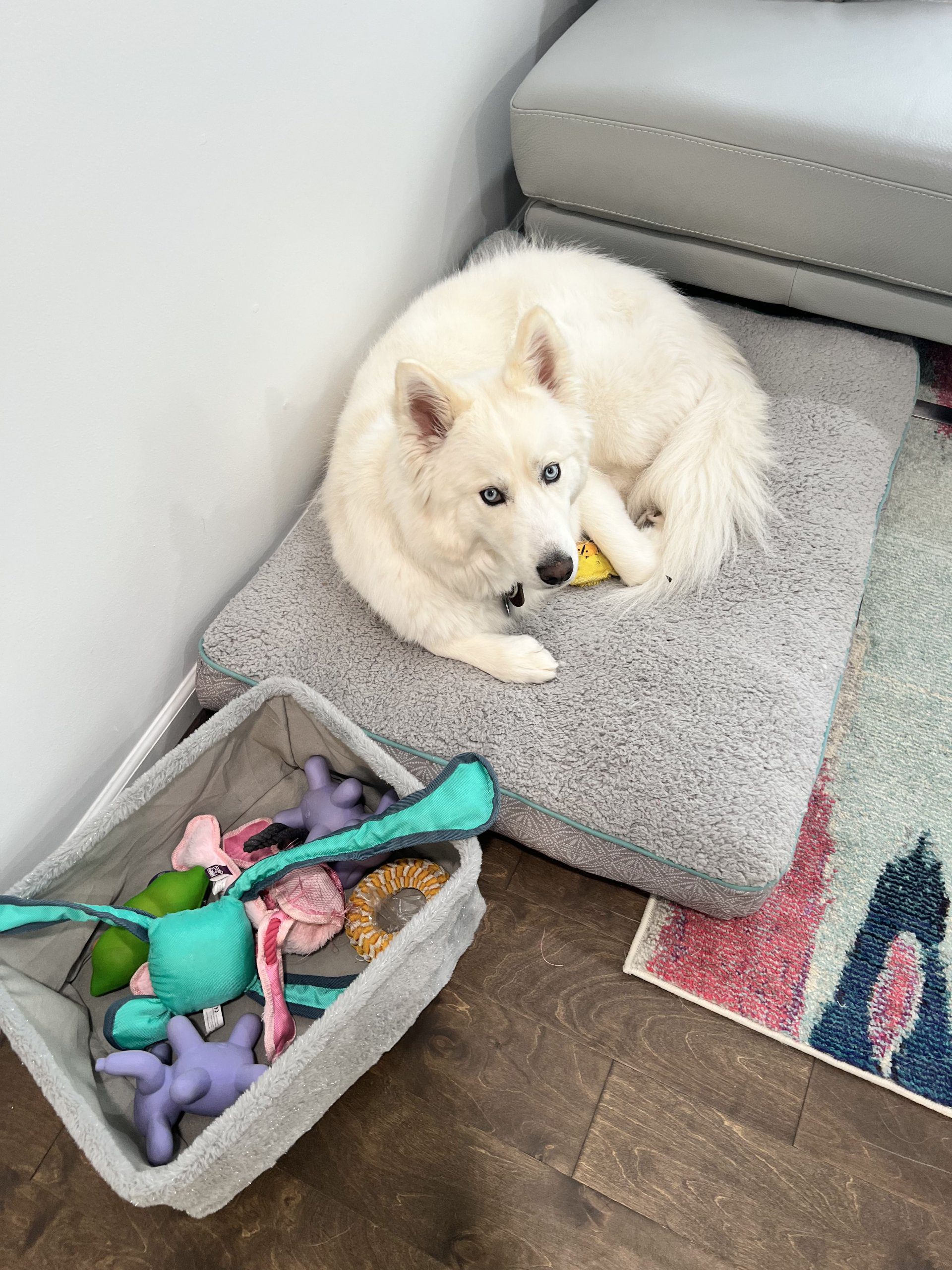
Name: Alpha
White Siberian Husky.
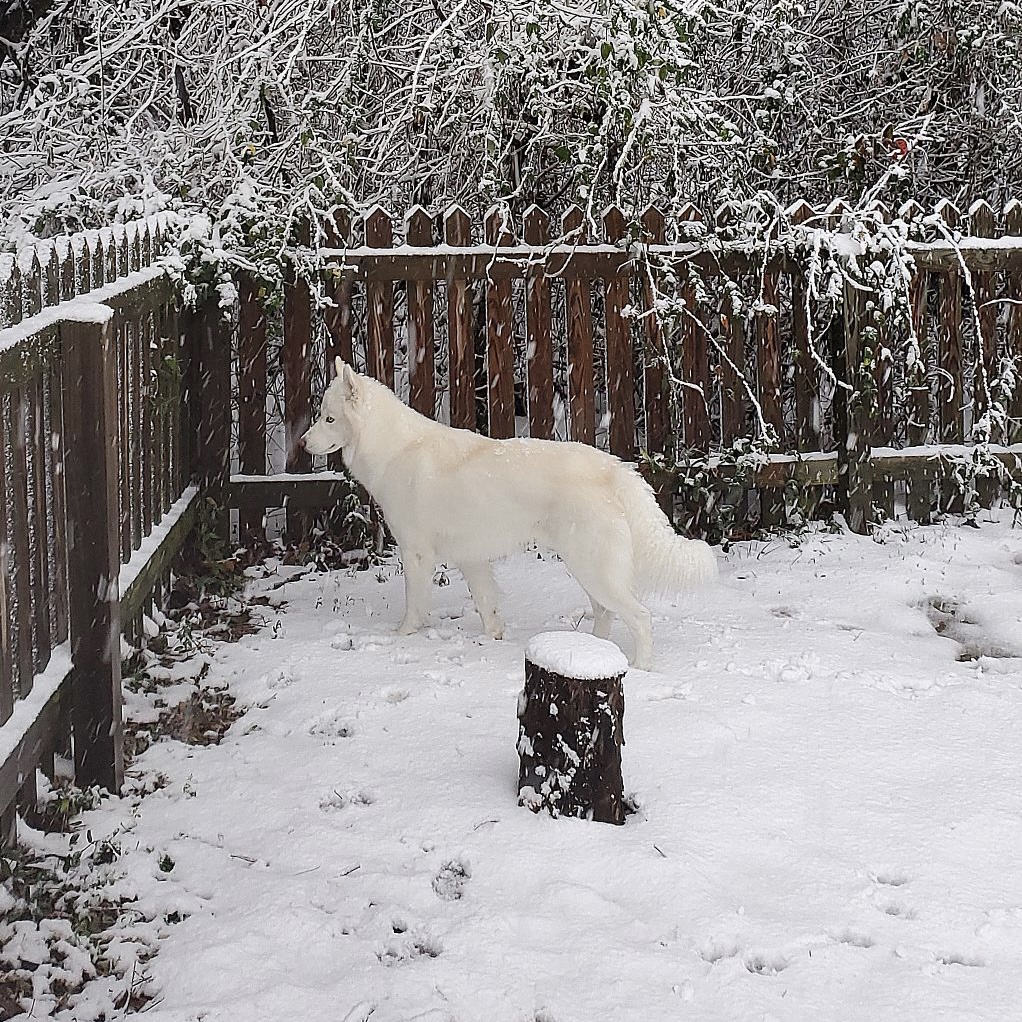
Name: Aspen
White Siberian Husky.
Isabella White:
The pup will be mostly cream with some white. You will slightly see a face marking.
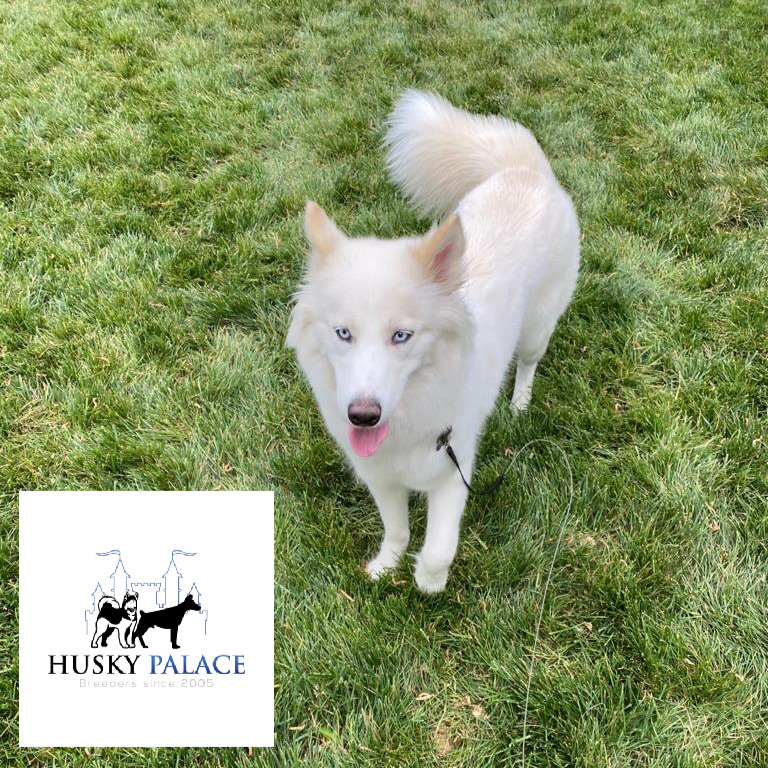
Name: Nieve
Isabella White Siberian Husky.
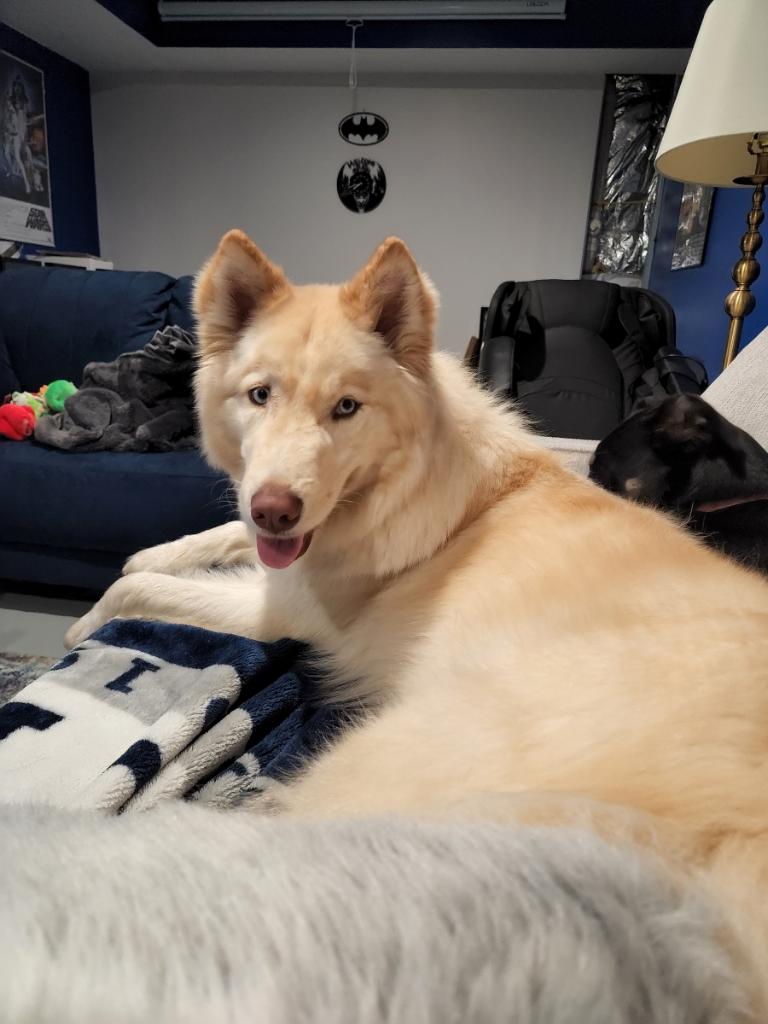
Name: Jeremy
Isabella White Siberian Husky.
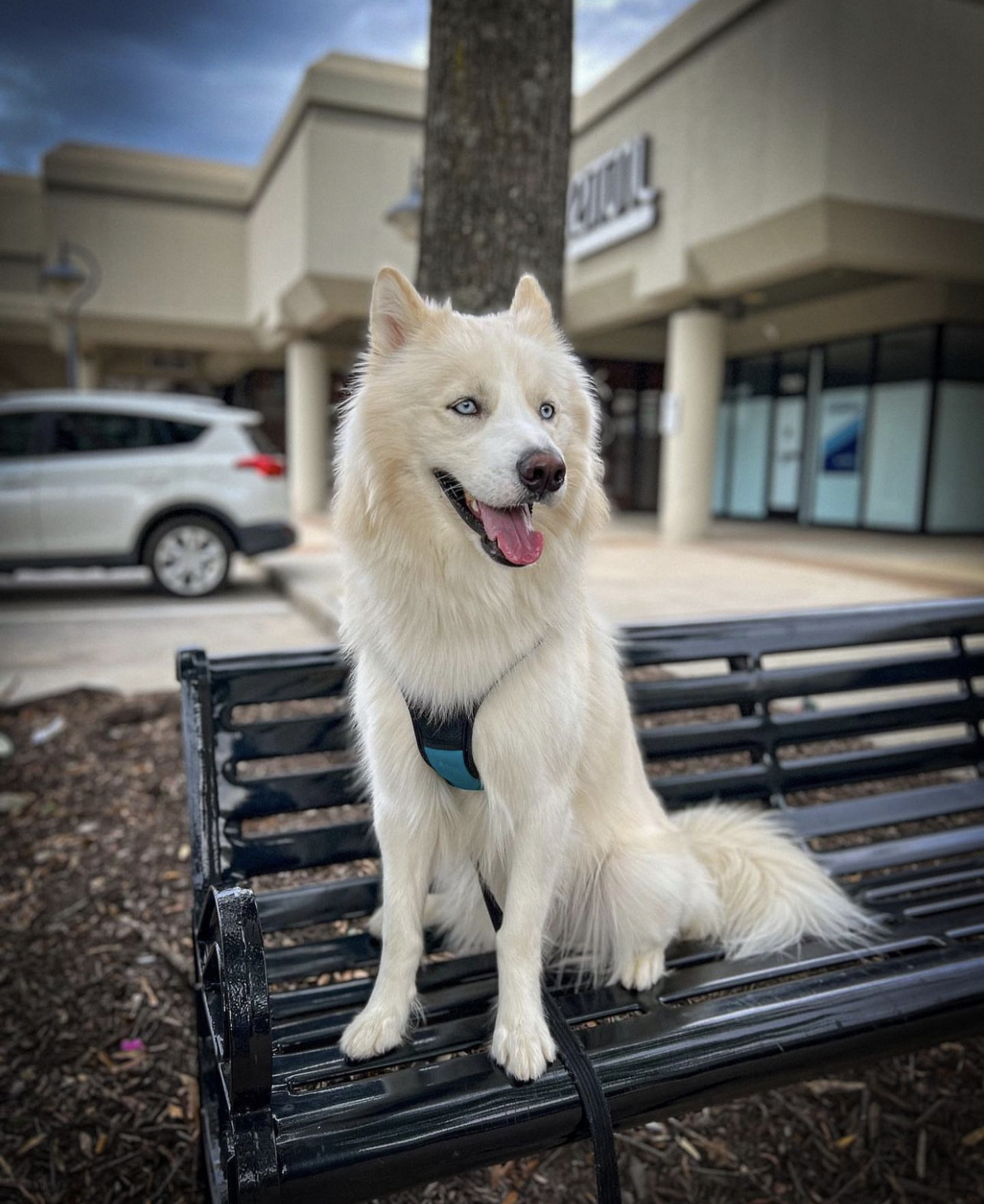
Name: Loki
Isabella White Siberian Husky.
PIEBALDS
Piebald is not a color. This is actually a marking. :) A piebald Siberian Husky has splotches of color throughout their body and ears. Piebald Huskies are very rare
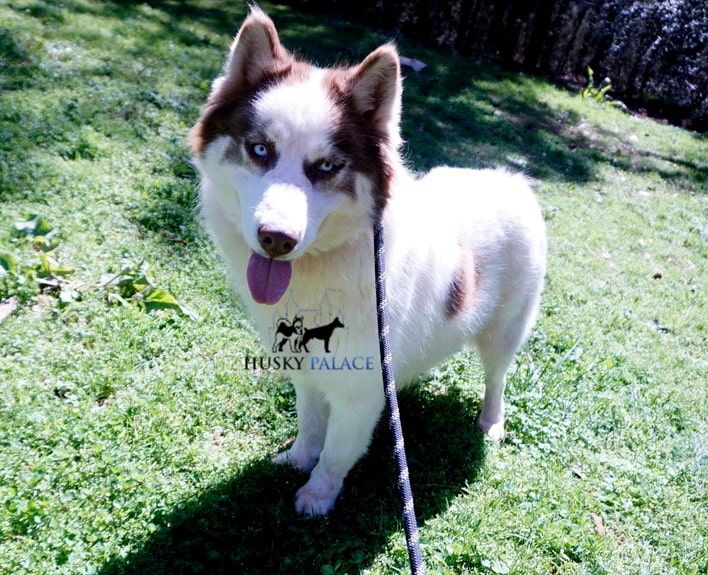
Name: Ziva
Piebald Siberian Husky.
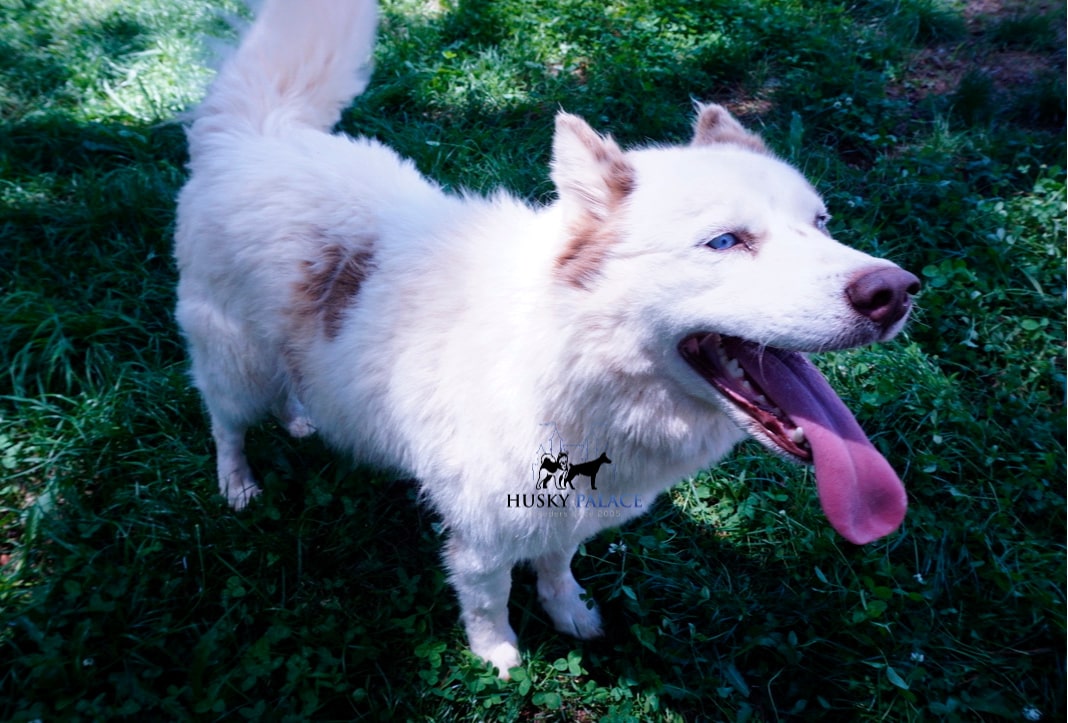
Name: Padme
Piebald Siberian Husky.
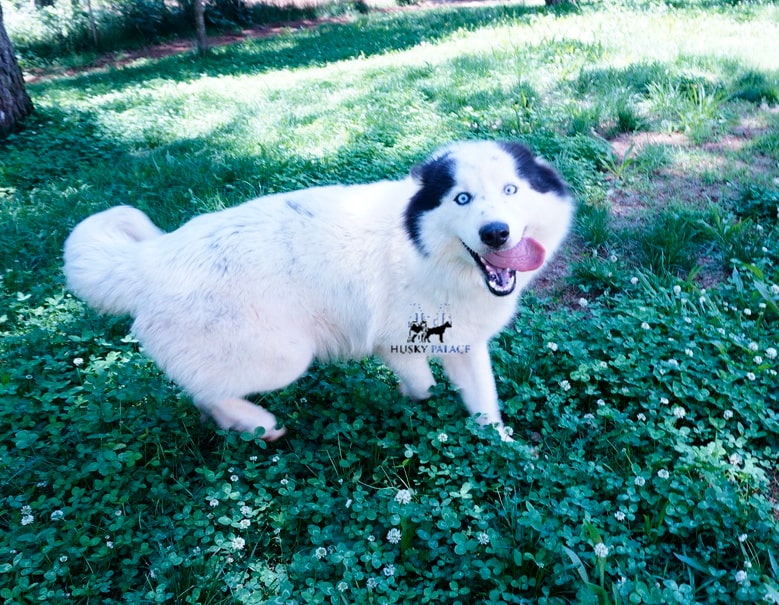
Name: Kenai
Piebald Siberian Husky.
Eye Color
Most people will believe all Huskies have stunning blue eyes. WRONG! Siberian Huskies thought it will be fun to add different eye colors on top of the 15 coat colors. Husky eyes can be blue, brown, amber, bi-eyed (each eye is a different color) or parti-eye (at least 1 eye includes a mix of 2 colors)
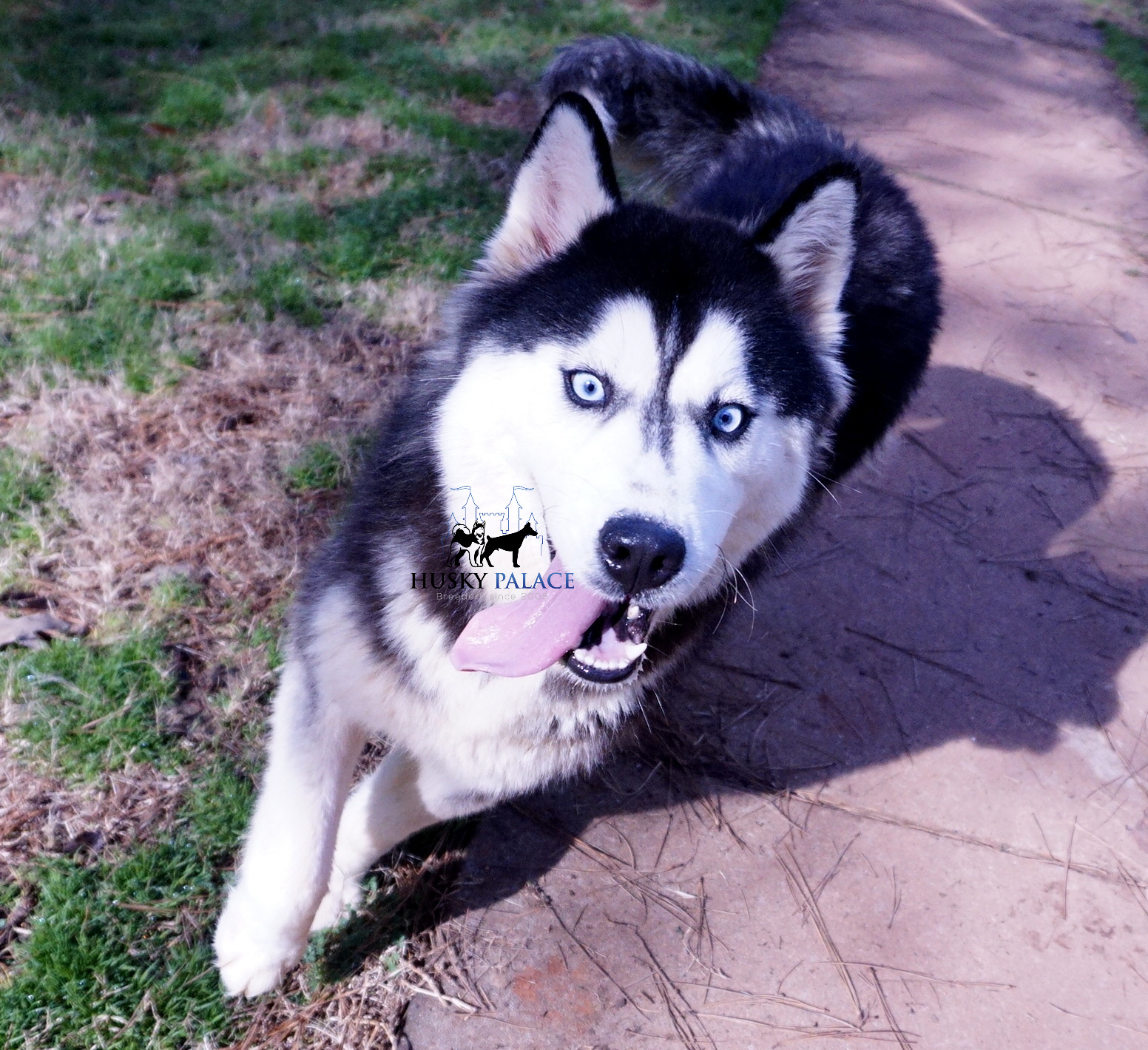
Name: Katara
Blue eye Siberian Husky.
Name: Jiya
Brown eye Siberian Husky.
Name: Moca
Amber eye Siberian Husky.
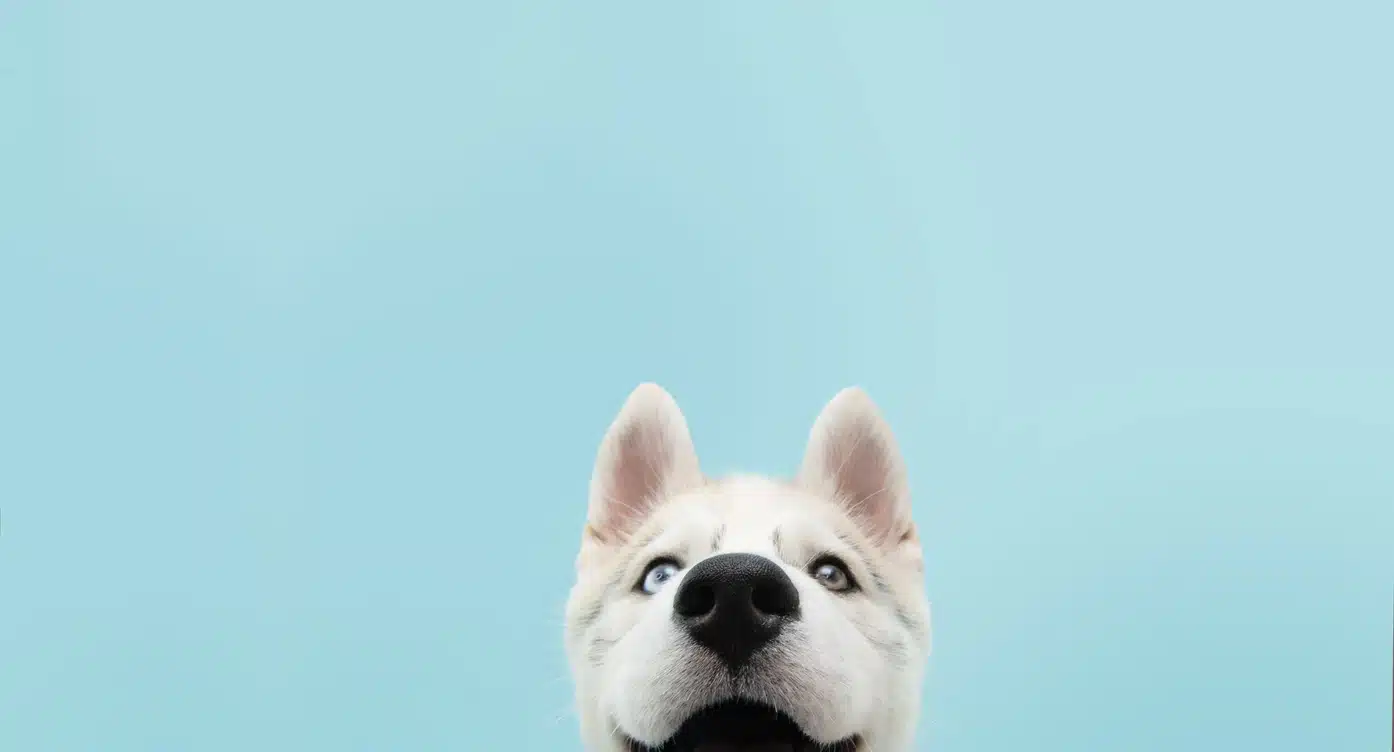
Name: Photo from Unsplash
Bi-eye Siberian Husky.
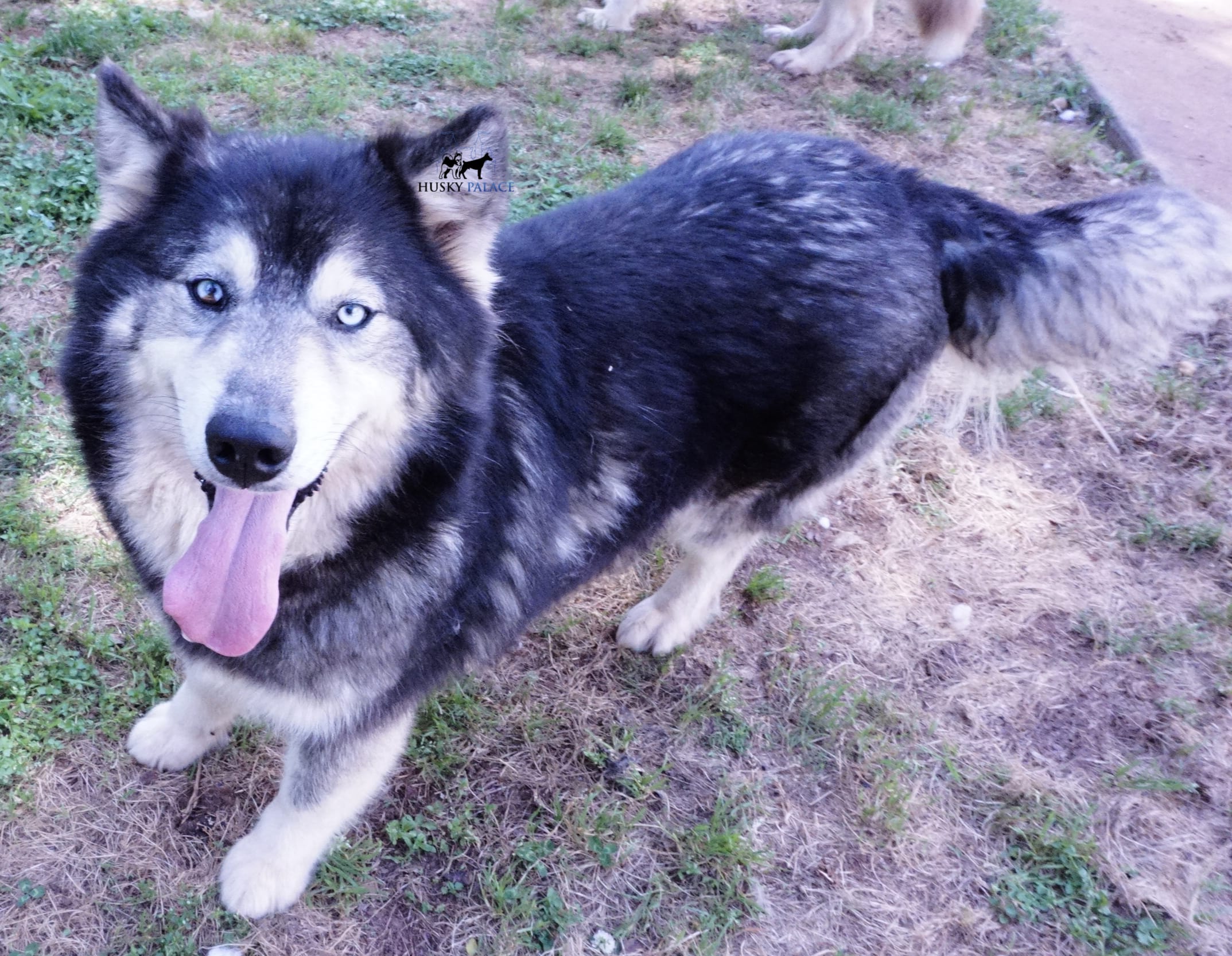
Name: Taz
Parti-eye Siberian Husky.
Conclusion:
With all of this stated, it’s in your best interest to send pics of what you are looking for. So I can inform you which color you are looking for.
As always, God bless and Go Tigers!
Keywords: